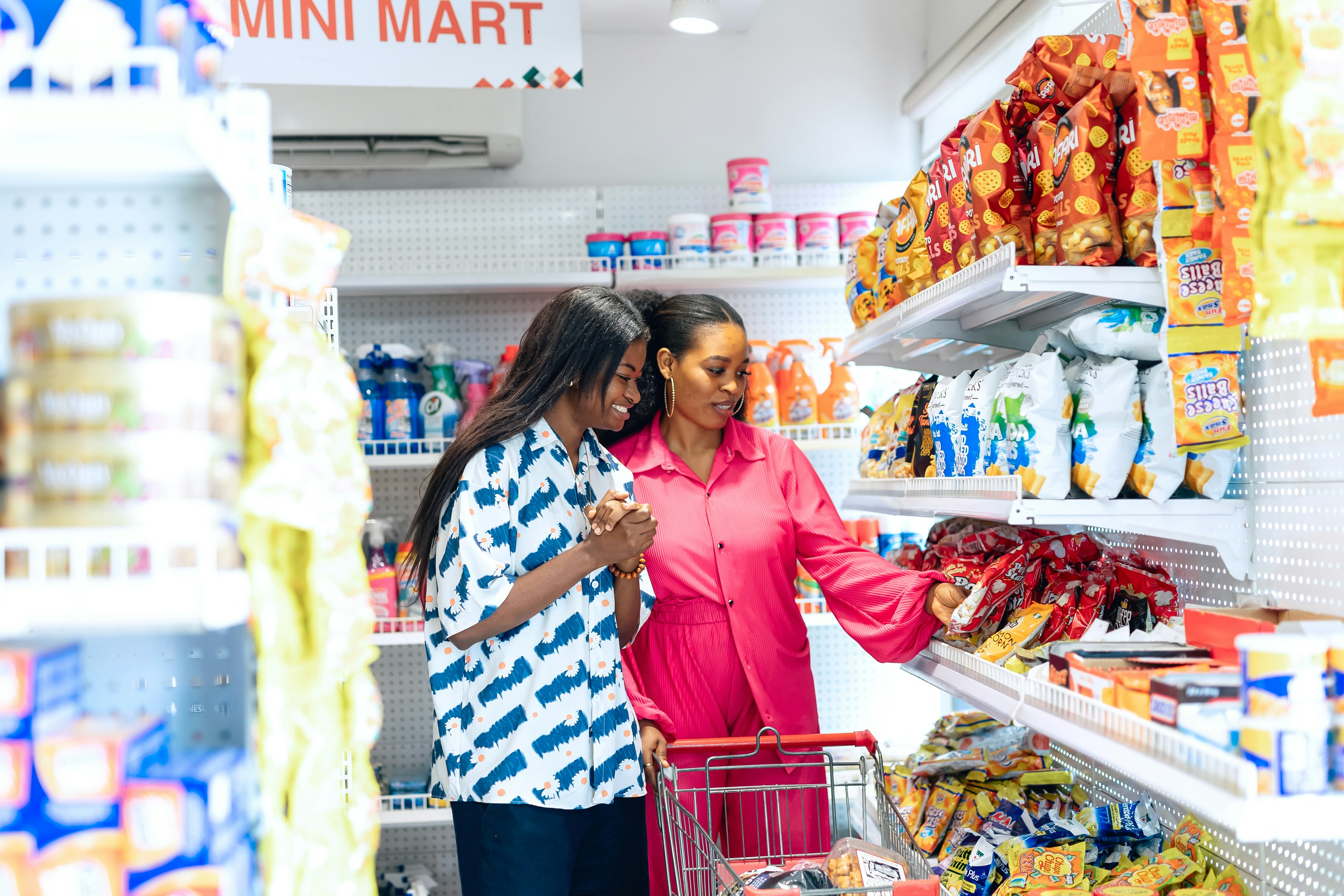
Grocery Shopping Hacks That Actually Changed My Life
I used to be that person who wandered grocery store aisles aimlessly, throwing random stuff in my cart and somehow spending $150 on nothing useful. Then I’d get home and realize I still had nothing to make for dinner. Sound familiar?
According to the USDA Economic Research Service, American households waste about $1,500 annually on unused food—much of it from poor shopping habits.
Table of Contents
- The Backwards Shopping Method
- The One Week Rule
- Shopping Cart Psychology
- Shopping the Perimeter Strategically
- The Three Meal Test
- The Best Times to Shop
- Pre-Shopping Preparation
- Key Takeaways
- Frequently Asked Questions
The Backwards Shopping Method
Here’s something nobody tells you: start shopping from the back of the store.
| Traditional Path | Backwards Path |
|---|---|
| Enter through front displays | Start with essentials in back |
| Hit impulse items first | Dairy, meat, produce first |
| Exhausted by essentials | Impulse items when cart full |
| Overspend on non-essentials | Less likely to add extras |
The expensive impulse buys are all at the front. When you start from the back, you hit essentials first—dairy, meat, produce. By the time you work your way to the front, your cart’s already full and you’re less likely to grab overpriced items you don’t need.
Related Reading: Budget Eating Strategies That Actually Work
The One Week Rule
Before buying anything that’s not on my list, I ask myself: “Will I actually use this within one week?”
| Decision Filter | Result |
|---|---|
| “Might use someday” | Skip it |
| “Could be useful” | Skip it |
| “Definitely using this week” | Buy it |
This eliminated about 80% of my impulse purchases immediately. That specialty vinegar that seems interesting? If I’m not planning to use it this week, it’ll probably sit in my pantry for months.
According to the NRDC, the average American household wastes 25-40% of food purchased. The one-week rule directly combats this.
Shopping Cart Psychology
I learned this from watching my most organized friend shop:
| Carrying Method | Effect on Spending |
|---|---|
| Large cart | Fill it instinct kicks in |
| Small basket | Natural limit on purchases |
| Arms only | Absolute essentials only |
There’s something about having a big empty cart that makes you want to fill it. When you’re limited to what you can carry, you naturally stick to essentials.
When to Use Each
| Shopping Trip | Recommended Carrying |
|---|---|
| 1-5 items | Arms only |
| 6-15 items | Basket |
| 15+ items | Cart |
Shopping the Perimeter Strategically
Everyone says “shop the perimeter for fresh foods,” but here’s the real insight:
| Perimeter Items | Why They Matter |
|---|---|
| Meat/protein | Building blocks of meals |
| Produce | Complete the meal planning |
| Dairy | Supporting ingredients |
When I start here, I’m thinking about complete meals, not random ingredients. I see chicken and immediately think about what vegetables would go with it. This changes my mindset from “collector” to “cook.”
The Three Meal Test
Before buying any ingredient, I ask: “Can I use this in at least three different meals this week?”
| Ingredient | Three Meal Test | Verdict |
|---|---|---|
| Onions | Stir-fry, soup, tacos | Buy |
| Specialty cheese | One recipe only | Skip |
| Chicken thighs | Bowls, pasta, tacos | Buy |
| Unusual spice | One dish | Skip |
This doesn’t mean I never try new things, but it means I’m strategic about it. If I want to experiment with something new, I plan specific meals around it first.
The Best Times to Shop
After trying every possible shopping time:
| Time Slot | Quality | Crowds | Best For |
|---|---|---|---|
| Early weekday morning | Excellent | Low | Best overall |
| Late night | Picked over | Low | Convenience |
| Weekend morning | Fresh | High | Avoid if possible |
| Sunday evening | Chaotic | High | Avoid |
Early morning weekdays are the sweet spot. Stores are stocked, produce is fresh, and you’re not fighting crowds. Plus, morning-you makes better decisions than evening-you who’s tired and just wants to get home.
Pre-Shopping Preparation
The Photo Trick
This sounds ridiculous until you try it:
| Action | Benefit |
|---|---|
| Photo of fridge | Avoid duplicate purchases |
| Photo of pantry | Know what you already have |
| Photo of freezer | Plan around existing items |
How many times have you bought something you already had at home? A quick photo before leaving saves you from duplicate purchases.
The Meal Planning Connection
| Step | Time | Payoff |
|---|---|---|
| Check what you have | 5 min | Avoid waste |
| Plan 3-5 meals | 10 min | Focused shopping |
| Write organized list | 5 min | Faster shopping |
Related Reading: The Complete Guide to Meal Planning
Emotional State Matters
| Mood | Shopping Effect | Solution |
|---|---|---|
| Hungry | Overspend on food | Eat something first |
| Stressed | Forget essentials, buy impulse items | Wait or use strict list |
| Rushed | Grab expensive convenience items | Plan better timing |
| Calm | Strategic, list-focused | Ideal state |
I keep granola bars in my car for this exact purpose. Five minutes and 90 calories can save $30 in impulse purchases.
Key Takeaways
- Shop backwards — Start at the back of the store with essentials
- Use the one-week rule — Only buy what you’ll definitely use this week
- Match carrier to trip size — Basket for quick trips limits impulse buys
- Apply the three-meal test — Ingredients should work in multiple dishes
- Shop early weekday mornings — Best selection, lowest crowds
- Never shop hungry — Eat something small first
Frequently Asked Questions
How much can these strategies actually save?
According to the Bureau of Labor Statistics, the average American household spends about $8,000 annually on food. Strategic shoppers report saving 15-30% through better planning and impulse control. That’s $1,200-$2,400 per year—real money that adds up.
Should I use a shopping app or paper list?
Either works as long as you actually use it. The National Retail Federation found that shoppers who use any list spend 25% less than those who don’t. I use my phone’s notes app organized by store section—it’s always with me and easy to update.
How do I stick to my list when I see good sales?
Ask two questions: “Do I actually need this?” and “Will it get used before expiring?” Good sales on items you don’t need are still wasted money. However, if it’s something you regularly use and can store properly, stocking up makes sense.
Is it worth going to multiple stores for deals?
According to consumer research, visiting multiple stores typically saves 10-15%, but you must factor in time and gas costs. My approach: one primary store for routine shopping, one discount store monthly for pantry staples. More than that isn’t worth the time for most people.
How do I reduce food waste from shopping too much?
Start smaller. Buy less than you think you need, especially for produce. You can always make another trip. The EPA recommends planning meals before shopping, checking what you already have, and being realistic about what you’ll actually cook.
The best grocery shopping hack is probably just paying attention to your own patterns and being honest about what actually works for your life, not what looks good on social media.