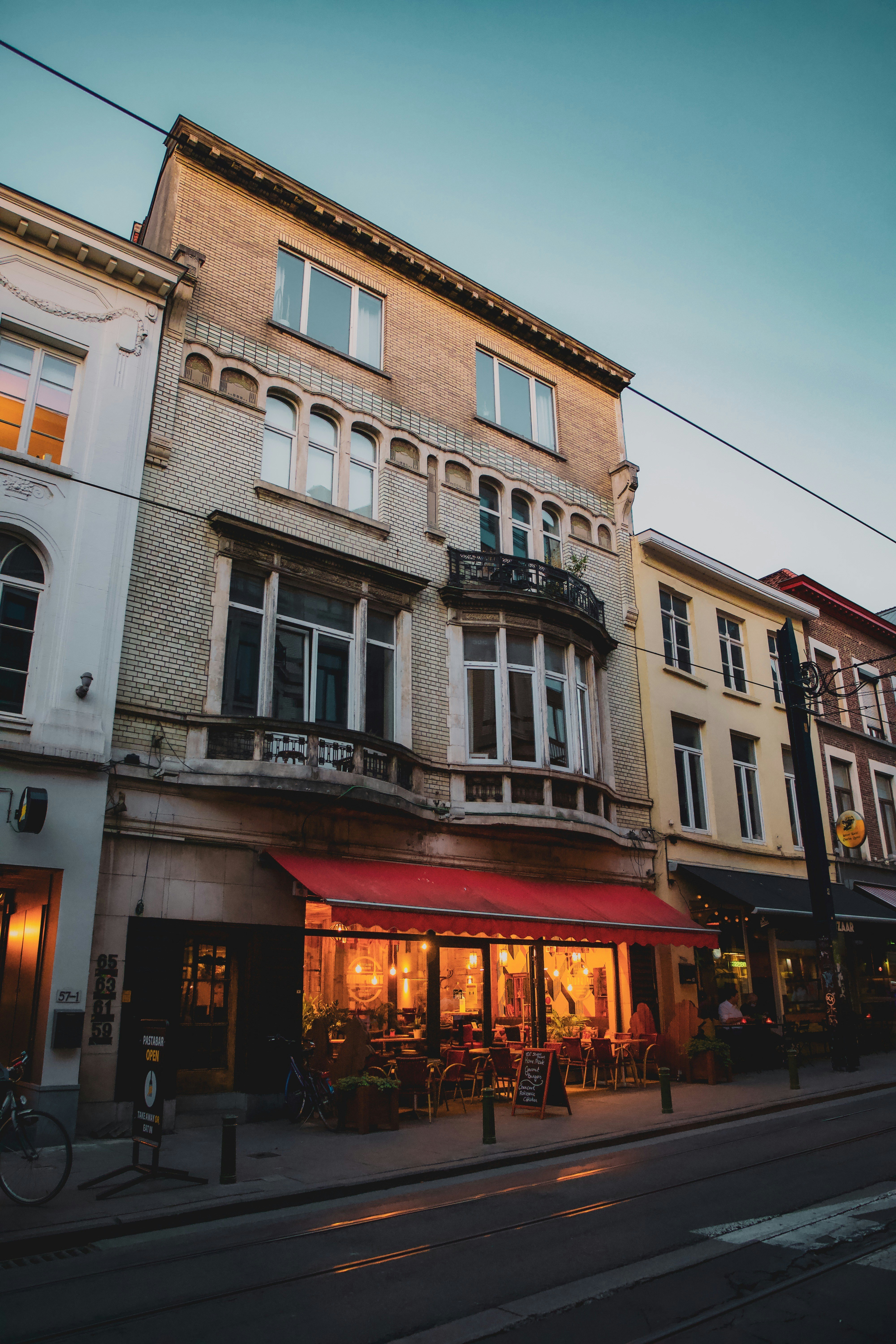
How to Find the Best Local Restaurant in Any Neighborhood
When traveling to a new city or exploring an unfamiliar neighborhood, finding authentic local restaurants can feel like searching for hidden treasure. Tourist traps with mediocre food abound, but with the right approach, you can discover culinary gems that locals treasure.
According to a study from Cornell University’s School of Hotel Administration, independent restaurants that rely on local customers rather than tourists typically offer better value and more authentic cuisine.
Table of Contents
- Why Local Restaurants Matter
- Technology-Based Discovery Strategies
- Human Connection Methods
- Physical Signs of Quality
- Reading Online Reviews Effectively
- Cultural Considerations When Dining Abroad
- Budget-Friendly Discovery Tips
- Safety and Hygiene Assessment
- Key Takeaways
- Frequently Asked Questions
Why Local Restaurants Matter
Local, independently-owned restaurants aren’t just about the food—they’re cultural institutions that offer unique value:
| Benefit | Why It Matters |
|---|---|
| Authentic flavors | Reflect true regional culinary traditions |
| Economic impact | Support local economy and create community jobs |
| Sustainability | Often source ingredients locally |
| Unique experiences | One-of-a-kind dining you won’t find elsewhere |
| Cultural preservation | Maintain family recipes and techniques |
| Personal connections | Opportunity to meet passionate owners and chefs |
When you choose local establishments over chain restaurants, you’re participating in the cultural fabric of a community.
Technology-Based Discovery Strategies
In today’s digital age, technology can be both helpful and overwhelming. Here’s how to use it effectively:
What to Do
| Platform | Best For | Pro Tip |
|---|---|---|
| Google Maps | Overall ratings, photos | Filter by “open now” and “nearby” |
| Yelp | Detailed reviews, food photos | Check “locals only” reviews |
| TripAdvisor | Tourist vs. local perspective | Compare traveler and local ratings |
| Visual food quality | Search location + “food” hashtags | |
| Local food blogs | Insider knowledge | Often most authentic recommendations |
What to Avoid
| Common Mistake | Why It’s Problematic |
|---|---|
| Relying solely on star ratings | Cultural differences skew ratings |
| Trusting few reviews | Sample size too small |
| Ignoring recent reviews | Restaurants change over time |
| Overlooking service/cleanliness mentions | Indicates overall experience |
Related Reading: Miami’s Hidden Gem Restaurants
Human Connection Methods
Human recommendations remain incredibly valuable and often lead to the best discoveries:
Who to Ask
| Source | Why They’re Valuable | Best Question to Ask |
|---|---|---|
| Hotel staff | Know the area intimately | “Where do YOU eat, not where you send tourists?” |
| Local shop owners | Invested in the community | “What’s your favorite nearby lunch spot?” |
| University students | Know affordable, authentic places | “Best cheap eats around here?” |
| Taxi/rideshare drivers | Know the whole city | “Where’s the best [cuisine type] in town?” |
| Bartenders | See the local scene | “Where do industry people eat?” |
According to Conde Nast Traveler, personal recommendations from locals lead to memorable dining experiences 3x more often than app-based discoveries.
Physical Signs of Quality
When walking through a new neighborhood, look for these indicators:
Positive Signs
| Sign | What It Indicates |
|---|---|
| Lines of locals | Quality worth waiting for |
| Menus in local language | Authentic, not tourist-oriented |
| Limited menu | Specialization and fresh preparation |
| Busy during off-peak hours | Consistent quality |
| Minimal advertising | Relies on word-of-mouth |
Red Flags
| Warning Sign | What It Suggests |
|---|---|
| Hawkers outside | Needs to attract walk-ins |
| Pictures of every dish on menu | Tourist-oriented |
| “Tourist Menu” signs | Simplified, less authentic options |
| Empty during meal times | Locals avoid it |
| Very wide-ranging menu | Jack of all trades, master of none |
Location Strategies
| Strategy | Why It Works |
|---|---|
| Walk 3-4 blocks from attractions | Escape tourist markup |
| Research residential neighborhoods | Where locals actually live and eat |
| Visit local markets | Often have excellent food stalls |
| Explore industrial areas | Great lunch spots for workers |
| Check near universities | Affordable, authentic options |
Reading Online Reviews Effectively
Not all reviews are created equal. Learning to decode them can save you from disappointment:
What to Look For
| Review Quality Indicator | Why It Matters |
|---|---|
| Recent activity | Past 3-6 months most relevant |
| Local reviewer profiles | Users with consistent local review history |
| Specific details | Mentions actual dishes and experiences |
| Balanced perspectives | Mix of ratings, not all 5-stars |
| Management responses | Shows engagement and professionalism |
Red Flags in Reviews
| Warning Sign | What It Suggests |
|---|---|
| Generic language | Could apply to any restaurant |
| All reviews in short timeframe | Potentially fake |
| Overly promotional language | Incentivized reviews |
| Focus only on price | Misses quality indicators |
| Lack of specific dishes mentioned | Generic, possibly fake |
Cultural Considerations When Dining Abroad
Understanding local customs dramatically improves your restaurant discoveries:
Research Before You Go
| Topic | Why It Matters | How to Research |
|---|---|---|
| Meal timing | When locals eat | Guidebooks, local blogs |
| Reservation practices | Expected or discouraged | Restaurant websites |
| Tipping conventions | Varies widely by country | Travel forums |
| Dress codes | Avoid embarrassment | Call ahead or check reviews |
| Payment methods | Cash vs. cards | Recent reviews mention this |
Communication Tips
| Skill | How It Helps |
|---|---|
| Learn basic food vocabulary | Navigate menus, ask questions |
| Download translation apps | Offline capability essential |
| Research dietary restriction phrases | Communicate needs clearly |
| Know how to ask for recommendations | “What do you recommend?” in local language |
Budget-Friendly Discovery Tips
Exceptional local dining doesn’t require a luxury budget:
Finding Value
| Strategy | Potential Savings |
|---|---|
| Lunch specials | 30-50% vs. dinner |
| Happy hours | Food specials often included |
| Market stalls | Where locals eat daily |
| Bakeries and delis | Excellent for breakfast/light meals |
| Family-run spots | Generous portions, fair prices |
Value Indicators
| Sign | What It Suggests |
|---|---|
| Full of families with children | Good value, family-friendly |
| Simple, laminated menus | Focuses on food, not presentation |
| Operating for decades | Sustainable business model |
| Visible kitchen | Transparency about preparation |
Related Reading: Top 5 Budget-Friendly Lunches in Miami
Safety and Hygiene Assessment
A great local restaurant should also meet basic safety standards:
Quick Checks
| Area | What to Look For |
|---|---|
| Dining area | Clean tables, floors, and restrooms |
| Food storage | Proper temperatures, covered items |
| Staff hygiene | Hand washing, clean uniforms |
| Ingredients | Fresh-looking, proper handling |
| Kitchen | Active, organized, visible |
Trust Your Instincts
According to the FDA, visual cues are often reliable indicators of food safety. If something feels off about cleanliness or food handling, trust your gut and find another option.
Key Takeaways
- Technology helps, but has limits — Use multiple platforms and verify with local sources
- Human recommendations are gold — Ask hotel staff, shop owners, and drivers where THEY eat
- Physical signs matter — Lines of locals, local-language menus, limited menus
- Read reviews critically — Look for recent, specific, local reviewer perspectives
- Venture off the beaten path — 3-4 blocks from attractions often yields the best finds
- Trust your instincts — For both quality and safety assessments
Frequently Asked Questions
How do I find good restaurants in a country where I don’t speak the language?
Use visual cues: busy restaurants during meal times, locals waiting in line, simple menus with photos. Translation apps with camera features can help decode menus. Point-and-order from what other tables are eating. Learn basic phrases like “What do you recommend?” and “Is this spicy?” in the local language before your trip.
Are tourist area restaurants always bad?
Not always, but they’re statistically less likely to offer value. Tourist areas have captive audiences and high rents, which means higher prices and less incentive for quality. Look for restaurants that have both tourists AND locals—that’s usually a good sign. Restaurants operating for 20+ years in tourist zones have likely earned their staying power.
How many reviews should a restaurant have before I trust the rating?
According to Yelp’s data science team, ratings become statistically reliable around 50 reviews. Below that, one or two extreme reviews can skew the average significantly. Also consider the time span—50 reviews over 5 years is different from 50 reviews in 6 months.
Should I make reservations at local restaurants abroad?
Research local customs—it varies widely. In Spain and Italy, reservations are often unnecessary for casual spots. In Japan and France, they’re more expected even at modest restaurants. When in doubt, call ahead or check Google Maps for a “reserve” button. For popular local favorites, weekend dinners often require booking.
How do I handle food allergies when dining at local restaurants?
Prepare allergy cards in the local language explaining your restrictions. Research common ingredients in local cuisine before traveling. Choose restaurants where you can communicate (or bring a translator app). Start with simple dishes where ingredients are visible. The Food Allergy Research & Education organization offers resources for international dining with allergies.
The best local restaurants are often hiding in plain sight, waiting for curious diners willing to venture beyond the obvious choices. With these strategies, you’ll never have to settle for mediocre tourist fare again.