Modern Restaurant Dining Etiquette: A Complete Guide for Every Occasion
Let’s talk about restaurant etiquette without the stuffiness. I’ve eaten everywhere from dive bars to places where they fold your napkin when you go to the bathroom, and here’s what I’ve learned: good manners aren’t about impressing people—they’re about making everyone’s experience better, including your own.
According to the Emily Post Institute, modern etiquette is about consideration, respect, and honesty—not rigid rules that make people uncomfortable.
Table of Contents
Know Your Restaurant, Know Your Game
How you act at your neighborhood taco spot versus that anniversary dinner place should be different:
| Restaurant Type |
Atmosphere |
Expected Behavior |
| Fast-casual |
Counter ordering, casual |
Relaxed, self-service |
| Casual dining |
Table service, moderate |
Polite, informal |
| Upscale casual |
Attentive service |
More formal, aware |
| Fine dining |
Multi-course, formal |
Traditional etiquette |
Reading the Room
| Indicator |
What It Tells You |
| Tablecloths |
More formal setting |
| Multiple utensils |
Multi-course meal expected |
| Dress code posted |
Follow it closely |
| Background noise level |
Match your volume |
| Server attire |
Indicates formality level |
Reservation and Arrival Protocols
Reservation Etiquette
| Best Practice |
Why It Matters |
| Call during off-peak hours |
Staff can give full attention |
| Provide accurate party size |
Ensures proper table |
| Mention special occasions |
Allows restaurant to prepare |
| Note dietary needs |
Kitchen can prepare appropriately |
Arrival Guidelines
| Situation |
Proper Action |
| On time |
Ideal—arrive 5-10 minutes early for formal occasions |
| Running late (under 15 min) |
Call ahead to inform |
| Running very late |
Restaurant may release your table |
| Arriving before party |
Wait in bar/lobby unless all guests expected soon |
Dress Code Guide
| Code |
What It Means |
| Casual |
Clean, neat clothing |
| Smart casual |
Collared shirts, no athletic wear |
| Business casual |
Pressed pants/skirts, nice tops |
| Business formal |
Suits, ties, professional dresses |
| Formal/Black tie |
Tuxedos, evening gowns |
According to the National Restaurant Association, arriving on time and dressed appropriately shows respect for both the restaurant and other diners.
Proper Ordering Etiquette
Communication with Servers
| Do |
Don’t |
| Make eye contact when ordering |
Snap fingers or whistle |
| Say “please” and “thank you” |
Wave frantically |
| Speak clearly and concisely |
Call “waiter” across restaurant |
| Ask questions politely |
Be condescending |
| Tip |
Why It Helps |
| Review online beforehand |
Faster ordering, less stress |
| Ask about specials |
Often best-value items |
| Inquire about portions |
Avoid over-ordering |
| Mention allergies early |
Allows safe preparation |
Ordering Sequence
| Course |
Typical Timing |
| Drinks |
Upon seating |
| Appetizers |
After drinks ordered |
| Main courses |
With appetizers or shortly after |
| Dessert |
After plates cleared |
Related Reading: How to Make Healthier Restaurant Choices
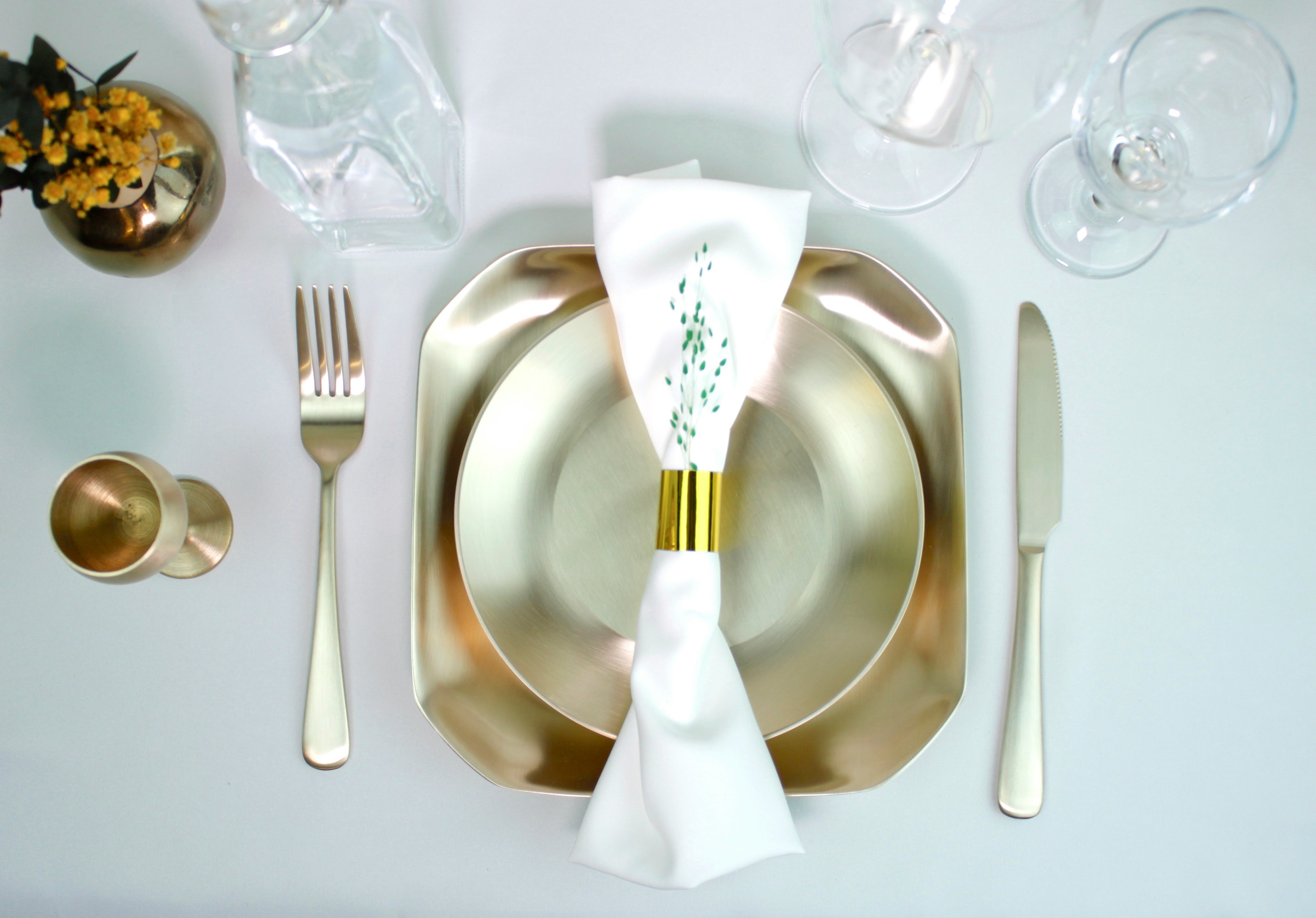
Navigating the Table Setting
Basic Setup Understanding
| Position |
Items |
| Left of plate |
Forks (salad fork outside, dinner fork inside) |
| Right of plate |
Knives and spoons |
| Above plate |
Dessert utensils and/or bread plate |
| Right of glasses |
Water, wine glasses |
The BMW Rule
Remember: Bread plate on left, Meal in center, Water/wine on right.
Napkin Protocol
| Situation |
Action |
| Upon sitting |
Place on lap, fold in half |
| Leaving temporarily |
Place on chair |
| Meal complete |
Place loosely left of plate |
| Wiping mouth |
Dab gently, don’t wipe |
Main Course Dining Behavior
Utensil Usage
| Style |
How It Works |
| American |
Cut, switch fork to right hand, eat |
| Continental |
Fork stays in left, knife in right throughout |
Table Manners Essentials
| Rule |
Why |
| Cut one bite at a time |
Appears refined, food stays warm |
| Chew with mouth closed |
Basic respect |
| Don’t speak while eating |
Clear communication |
| Rest utensils between bites |
Slows eating, aids digestion |
Utensil Signals
| Position |
Meaning |
| Crossed on plate |
Still eating |
| Parallel at 4 o’clock |
Finished |
| Fork tines up (American) |
Done eating |
| Fork tines down (Continental) |
Done eating |
Wine and Beverage Etiquette
Wine Tasting Ritual
| Step |
Action |
Purpose |
| 1 |
Observe pour |
Check color |
| 2 |
Swirl gently |
Release aromas |
| 3 |
Smell |
Detect off notes |
| 4 |
Taste small sip |
Confirm quality |
| 5 |
Nod approval |
Proceed with service |
Pouring Etiquette
| Guideline |
Details |
| Pour for others first |
Courtesy before self |
| Fill 1/3 to 1/2 |
Allows swirling and aeration |
| Hold at base |
Better control |
| Top off as needed |
Don’t let glasses empty completely |
Alcohol Pacing
According to the CDC, moderate drinking guidelines suggest no more than one drink per hour for optimal social dining. Business dinners require additional restraint.
Handling Difficult Situations
Problem Resolution
| Issue |
How to Handle |
| Wrong order |
Inform server quietly |
| Cold food |
Request politely to reheat |
| Poor service |
Address with manager after meal |
| Spilled drink |
Apologize briefly, don’t over-apologize |
| Food allergy concern |
Speak directly with manager or chef |
Maintaining Composure
| Situation |
Response |
| Long wait |
Inquire politely about timing |
| Loud nearby table |
Request table move if available |
| Subpar food quality |
Constructive feedback to manager |
| Billing error |
Point out calmly with receipt |
Related Reading: How to Find the Best Local Restaurant
Payment and Tipping Guidelines
U.S. Tipping Standards
| Service Level |
Tip Percentage |
| Poor service |
10-15% |
| Adequate service |
15-18% |
| Good service |
18-20% |
| Exceptional service |
20-25%+ |
Calculation Tips
| Base Amount |
Tip At 20% |
| $50 bill |
$10 |
| $75 bill |
$15 |
| $100 bill |
$20 |
| $150 bill |
$30 |
Group Dining Payment
| Approach |
When to Use |
| Split evenly |
Similar orders, close friends |
| Itemized splitting |
Varied orders, mixed preferences |
| One person pays |
Business dinners, treating guests |
| Venmo after |
Casual groups, easy reconciliation |
Special Occasion Considerations
Business Dining
| Rule |
Reason |
| Let host order first (if unclear) |
Sets price range |
| Match host’s ordering style |
Don’t order most expensive |
| Avoid messy foods |
Maintain professional appearance |
| Limit alcohol |
Stay sharp for conversation |
| Put phone away |
Full attention on meeting |
Date Dining
| Consideration |
Approach |
| Restaurant choice |
Moderate noise for conversation |
| Ordering |
Offer suggestions if they’re unfamiliar |
| Paying |
Discuss beforehand or offerer pays |
| Phone use |
Absolute minimum |
| Food choices |
Avoid extremely messy options |
Celebration Dinners
| Tip |
Benefit |
| Inform restaurant of occasion |
May offer complimentary dessert |
| Arrive early |
Ensure smooth start |
| Handle logistics in advance |
Cake, decorations, special requests |
| Plan payment approach |
Avoid awkward end-of-meal confusion |
Technology and Modern Dining
Phone Etiquette
| Situation |
Appropriate Action |
| Emergency call |
Excuse yourself, step away |
| Quick photo of food |
One shot, phone away |
| Constant checking |
Not acceptable |
| Texting during meal |
Rude to dining companions |
| Guideline |
Reason |
| Quick photos acceptable |
Brief documentation |
| Extensive photo sessions |
Disrupts dining flow |
| Ask permission for group photos |
Respect privacy |
| Wait until after meal to post |
Be present |
Key Takeaways
- Read the room — Match your behavior to the restaurant’s formality
- Communicate respectfully — “Please” and “thank you” never go out of style
- Use utensils properly — Work from outside in
- Tip appropriately — 18-20% for good service in the U.S.
- Handle problems gracefully — Quiet, polite communication works best
- Put the phone away — Be present with your dining companions
Frequently Asked Questions
What should I do if I don’t know which utensil to use?
The universal rule is to work from the outside in—use the outermost utensils first and progress toward your plate with each course. If you’re still unsure, wait a moment and observe what others do. Most importantly, don’t panic—using the “wrong” fork isn’t a serious faux pas in most settings.
Is it okay to ask for substitutions or modifications?
Yes, reasonable modifications are perfectly acceptable. Most restaurants expect requests like “dressing on the side” or “no onions.” For significant changes, ask politely: “Would it be possible to…?” According to the National Restaurant Association, over 80% of restaurants accommodate reasonable modification requests.
How do I handle splitting the bill without awkwardness?
Discuss before ordering if possible. For casual dining with friends, apps like Venmo simplify post-meal splitting. For business dinners, the inviter typically pays. When truly splitting, tell the server at the beginning that you’d like separate checks—it’s much easier than splitting afterward.
What’s the etiquette for dietary restrictions in a group setting?
Communicate restrictions when the restaurant is chosen, not at the table. If you have severe allergies, call ahead. During ordering, inform your server matter-of-factly without lengthy explanations. Good restaurants accommodate gracefully; if a restaurant can’t accommodate safely, it’s better to suggest an alternative venue.
How do I politely leave if service is taking too long?
This rarely happens at reputable restaurants, but if you must leave: inform your server that you have a time constraint and need to settle up. Offer to pay for anything already ordered. If food hasn’t arrived and you must leave, speak with the manager—most will comp partial orders in this situation. Remain calm and polite throughout.
Good etiquette isn’t about being stuffy—it’s about making shared dining experiences pleasant for everyone. When uncertain about specific protocols, observe others and follow the lead of experienced diners. Most importantly, approach dining with a positive attitude and genuine appreciation for the culinary experience.