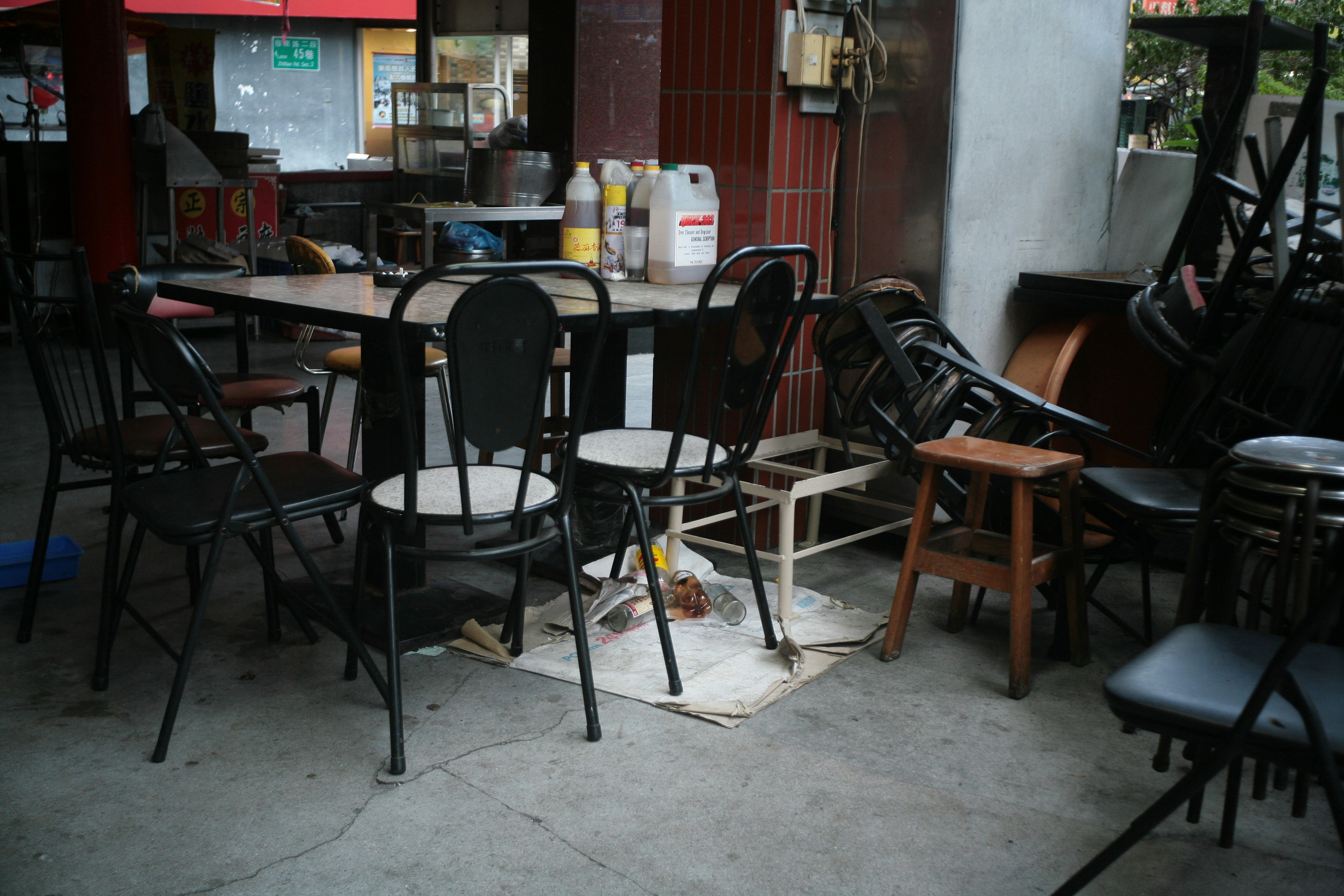
Restaurant Red Flags I Learned the Hard Way (So You Don’t Have To)
Last year I got food poisoning so bad I couldn’t leave my apartment for three days. The restaurant looked fine from the outside, had decent reviews, and the menu sounded good. But there were warning signs I ignored because I was hungry and didn’t want to seem picky.
According to the CDC, about 48 million Americans get foodborne illness each year—many cases from restaurant dining. Learning to spot red flags can protect you.
Table of Contents
- Menu Red Flags
- Physical Environment Warnings
- Staff and Service Indicators
- Food Quality Warning Signs
- When to Research First
- When to Give a Place a Chance
- Key Takeaways
- Frequently Asked Questions
Menu Red Flags
The Jack-of-All-Trades Problem
| Menu Style | What It Suggests |
|---|---|
| Sushi, pizza, burgers, Thai, Mexican | No specialization, nothing done well |
| Focused menu (12-20 items) | Kitchen has mastered their offerings |
| Seasonal menu changes | Fresh ingredients, active chef |
If a restaurant serves sushi, pizza, burgers, Thai food, and Mexican food all on the same menu, run. No kitchen can do all of those things well.
Other Menu Warnings
| Red Flag | What It Means |
|---|---|
| Too many pages | Likely using frozen/pre-made items |
| Every dish has a photo | Tourist-oriented, likely low quality |
| No prices listed | Preparing to overcharge |
| “Market price” on most items | Unclear pricing strategy |
Related Reading: How to Find the Best Local Restaurant
Physical Environment Warnings
What to Notice When You Walk In
| Area | Red Flag | Why It Matters |
|---|---|---|
| Bathroom | Dirty, no soap, poorly maintained | Kitchen is likely similar |
| Floor | Sticky, visibly dirty | Basic cleaning neglected |
| Tables | Crumbs, sticky surfaces | Hygiene standards low |
| Menus | Greasy, damaged, outdated | Attention to detail lacking |
According to the FDA Food Code, bathroom cleanliness is one of the most reliable indicators of overall restaurant hygiene standards.
Crowd Indicators
| Observation | What It Suggests |
|---|---|
| Empty during peak hours (7-8pm) | Locals know to avoid |
| Only tourists | Not worth return visits |
| Mix of locals and visitors | Good sign |
| Staff eating there | Very good sign |
Staff and Service Indicators
Knowledge and Training
| Question | Good Sign | Red Flag |
|---|---|---|
| “What’s in this dish?” | Detailed explanation | “I think it has…” |
| “What do you recommend?” | Specific, confident answer | Vague or pushes most expensive |
| “Is this cooked fresh?” | Clear yes with explanation | Hesitation or deflection |
Food Handling Observations
| Behavior | What It Indicates |
|---|---|
| Touching food area of plates | Poor training |
| Handling money then food | Cross-contamination risk |
| No hand washing observed | Hygiene protocols ignored |
| Visible kitchen chaos | Quality control problems |
Food Quality Warning Signs
Temperature Issues
| Problem | Risk Level |
|---|---|
| Hot food arrives lukewarm | High (sitting too long or underheated) |
| Cold food not properly chilled | Very high (bacterial growth) |
| Food takes unusually long | May indicate cooking/reheating issues |
| Food arrives too fast | May be pre-made, not fresh |
Freshness Indicators
| Observation | What It Means |
|---|---|
| Strong fish smell at seafood restaurant | Fish isn’t fresh |
| Wilted salad greens | Produce not properly stored |
| Stale bread | Poor inventory turnover |
| Dessert case looks old | Stock sitting too long |
According to the USDA, food temperature is critical: hot foods should be above 140°F, cold foods below 40°F. Anything in between is the “danger zone.”
When to Research First
Pre-Visit Research Checklist
| Source | What to Check |
|---|---|
| Health department scores | Recent violations, patterns |
| Recent reviews (last 6 months) | Current quality, not past reputation |
| Photos from customers | Actual portion sizes and presentation |
| Response to complaints | How management handles problems |
Red Flags in Reviews
| Pattern | What It Suggests |
|---|---|
| Multiple food poisoning mentions | Serious safety issues |
| Consistent complaints about same issue | Systemic problem |
| Owner argues with reviewers | Management issues |
| Only 5-star or 1-star reviews | Potentially fake reviews |
Related Reading: How to Make Healthier Restaurant Choices
When to Give a Place a Chance
Not every red flag is a dealbreaker. Context matters:
Acceptable Situations
| Situation | Why It’s Okay |
|---|---|
| New restaurant (under 2 months) | Still finding their footing |
| Minor cleanliness during rush | Happens to good places too |
| One-off bad review | Everyone has bad days |
| Limited menu at end of night | Running out of fresh items |
Dealbreaker Situations
| Situation | Why You Should Leave |
|---|---|
| Multiple food safety violations | Not worth the risk |
| Kitchen staff handling food carelessly | Systemic problem |
| Something feels genuinely wrong | Trust your instincts |
| Manager dismissive of concerns | Won’t improve |
Key Takeaways
- Menu focus matters — Restaurants doing too many cuisines likely do none well
- Bathroom = kitchen — Dirty bathroom suggests dirty kitchen
- Empty during peak = warning — Locals know something you don’t
- Staff knowledge matters — Good training indicates management cares
- Temperature tells truth — Food temperature issues are serious red flags
- Trust your gut — If something feels off, leave
Frequently Asked Questions
Should I check health inspection scores before eating somewhere?
Yes, when possible. Most cities post restaurant inspection scores online. The FDA recommends checking for patterns of violations rather than focusing on a single score. One minor violation is usually fine; repeated serious violations are concerning. Many health departments now have apps or websites for easy access.
What should I do if I notice food safety issues mid-meal?
If you notice something concerning (wrong temperature, visible contamination, hygiene issues), it’s reasonable to politely mention it to management and decline to eat further. Most reputable restaurants will comp the meal and address the issue. If you’ve already eaten and feel unwell, contact your local health department to report it.
How reliable are online restaurant reviews?
According to research from Harvard Business School, online reviews correlate with quality but should be read critically. Look for specific details (not generic praise), patterns across multiple reviews, recent reviews (restaurants change), and local reviewers with review histories. A 4.0 with 500 reviews is more reliable than a 5.0 with 10 reviews.
Are expensive restaurants safer than cheap ones?
Not necessarily. The CDC data shows foodborne illness outbreaks occur across all price points. However, higher-end restaurants typically have more rigorous training and quality control. The key factors are management quality and staff training, not price. A well-run inexpensive restaurant can be safer than a poorly managed expensive one.
What’s the difference between a bad restaurant and a bad experience?
Bad experience: One slow night, one off dish, temporary staffing issues. These happen to everyone. Bad restaurant: Consistent patterns of problems, systemic hygiene issues, management that doesn’t address complaints. Read multiple reviews looking for patterns, not isolated complaints.
The goal isn’t to be paranoid about every restaurant, but to be aware enough to protect yourself from the really problematic ones. There are too many good restaurants out there to risk getting sick at a questionable one.