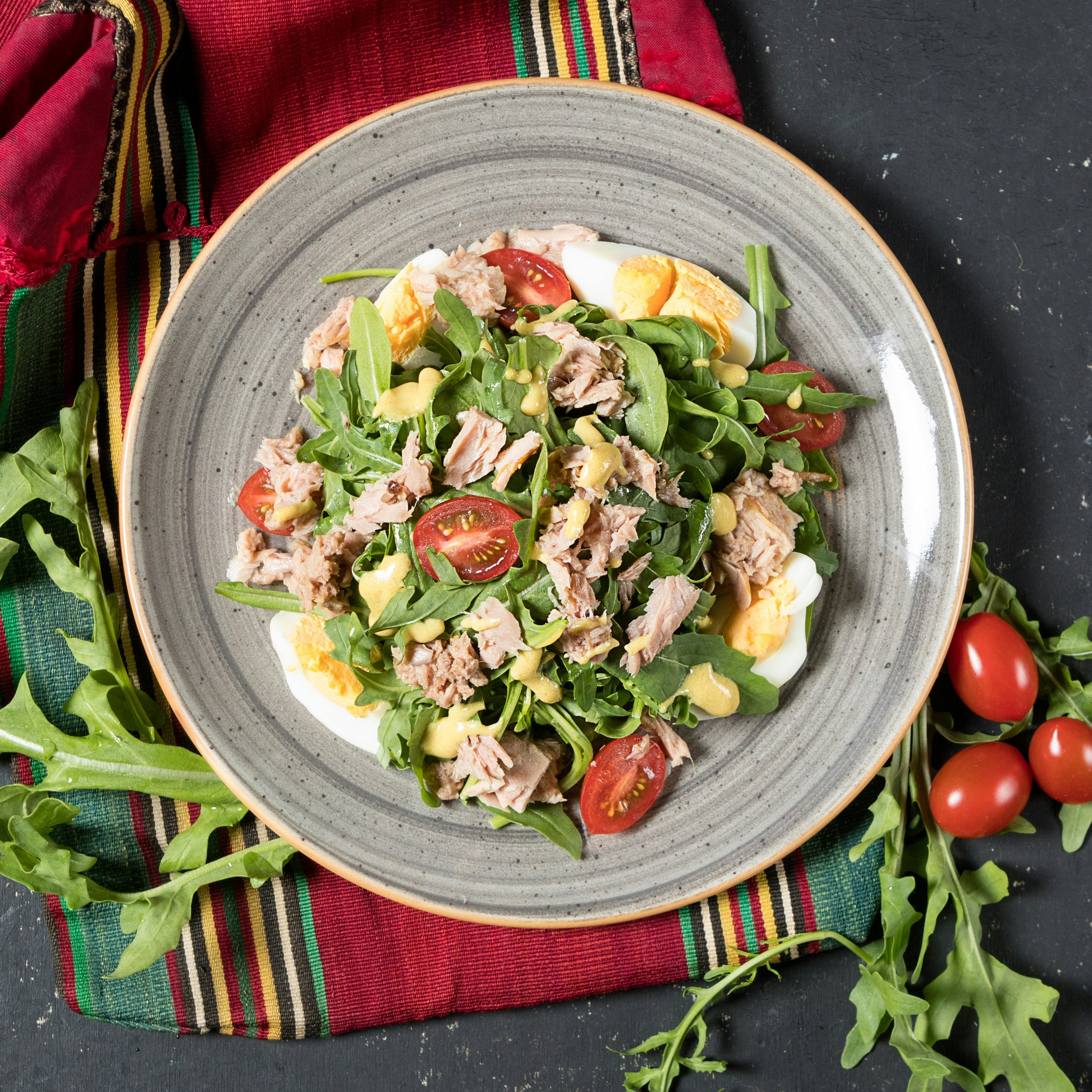
How to Make Healthier Restaurant Choices
Eating out is one of life’s pleasures, but it can also be challenging when you’re trying to maintain a healthy diet. The good news is that with a few simple strategies, you can enjoy restaurant meals while still making nutritious choices.
According to the American Heart Association, restaurant meals contain on average 1,200 calories—about half of most people’s daily needs in a single sitting. Learning to navigate menus strategically can make a significant difference.
Table of Contents
- Plan Ahead: Pre-Dining Strategies
- Master Menu Navigation
- Smart Substitutions and Modifications
- Portion Control Strategies
- Making Sensible Beverage Choices
- Dessert Decisions
- Dealing with Social Pressure
- Special Dietary Considerations
- The 80/20 Approach
- Key Takeaways
- Frequently Asked Questions
Plan Ahead: Pre-Dining Strategies
Before heading to a restaurant, take a few minutes to prepare:
| Strategy | Why It Works |
|---|---|
| Review menu online | Make decisions without pressure |
| Decide what to order in advance | Avoid impulse decisions |
| Have a small healthy snack | Prevent extreme hunger |
| Choose restaurants with healthy options | More choices available |
According to a study in the Journal of Consumer Research, diners who review menus in advance make healthier choices than those who decide on the spot.
Master Menu Navigation
Restaurant menus are designed to highlight certain dishes, often the less healthy ones. Learning to decode menu descriptions helps you identify healthier options.
Cooking Methods: What to Look For
| Healthier Methods | Proceed with Caution |
|---|---|
| Grilled | Fried |
| Steamed | Crispy |
| Baked | Creamy |
| Roasted | Breaded |
| Poached | Smothered |
| Broiled | Battered |
Menu Language Decoder
| Term | What It Usually Means | Calorie Impact |
|---|---|---|
| “Lightly sautéed” | Some oil used | Moderate |
| “House-made sauce” | Often butter/cream-based | High |
| “Fresh” | Raw or minimally processed | Usually lower |
| “Loaded” | Extra toppings/cheese | High |
| “Garden fresh” | Vegetable-focused | Usually lower |
Related Reading: The Essential Guide to a Balanced Diet
Smart Substitutions and Modifications
Don’t be afraid to ask for modifications. According to the National Restaurant Association, over 80% of restaurants are willing to accommodate reasonable requests.
Common Substitutions
| Instead Of | Ask For | Calorie Savings |
|---|---|---|
| Fries | Side salad or steamed vegetables | 200-300 calories |
| Creamy dressing | Vinaigrette on the side | 100-200 calories |
| White rice | Brown rice or vegetables | 50-100 calories |
| Fried protein | Grilled protein | 100-200 calories |
| Butter | Olive oil | Similar calories, better fats |
| Regular portion | Lunch portion | 200-400 calories |
How to Ask
| Polite Phrases | What You’re Requesting |
|---|---|
| “Could I have that grilled instead of fried?” | Cooking method change |
| “May I substitute the fries for a salad?” | Side dish swap |
| “Could I get the dressing on the side?” | Portion control |
| “Is it possible to use less oil/butter?” | Reduced fat |
Portion Control Strategies
Restaurant portions are often 2-3 times larger than standard serving sizes. The CDC notes that portion sizes have increased by 138% since the 1970s.
Practical Strategies
| Strategy | How to Implement | Effectiveness |
|---|---|---|
| Share a meal | Split with dining companion | 50% reduction |
| Appetizer as entrée | Order starter + salad | 30-40% reduction |
| Immediate boxing | Ask for half to-go before eating | 50% reduction |
| Lunch portions | Order lunch size at dinner | 25-35% reduction |
| Skip the bread basket | Ask server not to bring it | 200-400 calories saved |
Visual Portion Guide
| Food Type | Healthy Portion | Visual Reference |
|---|---|---|
| Protein | 3-4 oz | Deck of cards |
| Pasta | 1 cup | Tennis ball |
| Rice | ½ cup | Cupped hand |
| Salad dressing | 2 tablespoons | Golf ball |
| Cheese | 1 oz | 4 dice |
Making Sensible Beverage Choices
Drinks can add significant calories to your meal, often without providing nutritional value.
Beverage Comparison
| Beverage | Calories | Sugar | Better Alternative |
|---|---|---|---|
| Regular soda (12 oz) | 140 | 39g | Sparkling water |
| Sweetened iced tea | 120 | 30g | Unsweetened tea |
| Margarita | 300+ | 24g | Wine or light beer |
| Specialty coffee drink | 400+ | 50g+ | Black coffee |
| Lemonade | 150 | 36g | Water with lemon |
Smart Drink Choices
| Category | Best Options |
|---|---|
| Non-alcoholic | Water with lemon, unsweetened tea, sparkling water |
| Alcoholic | Wine (5 oz), light beer, spirits with soda water |
| Coffee | Black or with splash of milk, skip the syrups |
Dessert Decisions
It’s perfectly fine to enjoy dessert occasionally! When you do indulge, consider these approaches:
| Strategy | How It Works |
|---|---|
| Share with the table | Smaller portion, social experience |
| Fruit-based options | Often lighter than pastries |
| Coffee + small treat | Satisfies craving with less |
| Mini desserts | Built-in portion control |
| Cheese plate | Protein-based, more satisfying |
Pro tip: According to Food Psychologist Brian Wansink, the first three bites of any food provide the most pleasure. After that, enjoyment diminishes—so sharing makes sense.
Related Reading: How to Find the Best Local Restaurant
Dealing with Social Pressure
One of the biggest challenges comes from social dynamics:
Strategies for Group Dining
| Challenge | Solution |
|---|---|
| Friends ordering indulgently | Order first to set your own tone |
| “Just try a bite!” pressure | Polite but firm decline |
| Communal ordering | Suggest sharing healthy options |
| Business dinner pressure | Focus on conversation, eat slowly |
Polite Responses
| Situation | What to Say |
|---|---|
| Declining dessert | “I’m satisfied, but you enjoy!” |
| Ordering lighter | “I’m in the mood for something fresh” |
| Skipping appetizers | “I want to save room for the main course” |
| Leaving food | “It was delicious, but I’m comfortably full” |
Special Dietary Considerations
Managing specific dietary needs requires additional planning:
For Food Allergies
| Step | Action |
|---|---|
| 1 | Call ahead to discuss allergen protocols |
| 2 | Speak directly with manager or chef |
| 3 | Carry emergency medication if severe |
| 4 | Research chain restaurant allergen info online |
For Common Conditions
| Condition | Restaurant Strategy |
|---|---|
| Diabetes | Focus on fiber and protein, limit refined carbs |
| Heart health | Choose grilled over fried, request sauces on side |
| High blood pressure | Ask for no added salt, avoid cured meats |
| Celiac disease | Confirm dedicated gluten-free preparation |
The 80/20 Approach
Remember that healthy eating is about consistency, not perfection. Many nutrition experts recommend the 80/20 approach:
| 80% of the Time | 20% of the Time |
|---|---|
| Mindful choices | Full enjoyment without guilt |
| Portion awareness | Special occasion indulgence |
| Healthier preparations | Favorite comfort foods |
| Water and light drinks | Celebratory drinks |
According to the Academy of Nutrition and Dietetics, this balanced approach leads to better long-term outcomes than strict restriction.
Key Takeaways
- Plan ahead — Review menus online and decide before arriving
- Decode menu language — Look for grilled, steamed, baked; avoid fried, creamy, breaded
- Request modifications — Most restaurants gladly accommodate
- Control portions — Share, box half, or order appetizer-sized
- Watch beverages — Drinks can add hundreds of hidden calories
- Don’t aim for perfection — The 80/20 rule creates sustainable habits
Frequently Asked Questions
How many calories are in a typical restaurant meal?
The USDA reports that the average restaurant entrée contains 1,000-1,500 calories—before appetizers, drinks, or dessert. By comparison, most adults need only 1,600-2,400 calories for an entire day. Using the strategies in this article can help you enjoy dining out while staying within reasonable calorie limits.
Is it rude to make special requests at restaurants?
Not at all! The National Restaurant Association surveys show that most restaurants expect and welcome reasonable modifications. Be polite and specific about your requests. Avoid peak busy times if your requests are complex, and tip well when staff accommodate you.
How can I eat healthy at fast food restaurants?
Choose grilled over fried proteins, skip the cheese and special sauces, opt for salads with grilled chicken (dressing on the side), choose fruit or side salads instead of fries, and order water instead of soda. Many chains now offer “lighter” menu sections with calorie counts displayed.
What’s the healthiest cuisine when eating out?
Research from Harvard Health suggests Japanese, Mediterranean, and Vietnamese cuisines tend to offer the healthiest options due to emphasis on vegetables, fish, and lean proteins with lighter cooking methods. However, healthy choices exist in every cuisine—the key is selecting wisely within any menu.
How do I handle unlimited bread baskets and chips?
Ask your server not to bring them, or if your dining companions want them, have them placed at the far end of the table. According to behavioral research from Cornell University, we eat up to 22% more when food is within arm’s reach versus across the table.
Dining out doesn’t have to derail your healthy eating habits. With planning, menu savvy, and mindful eating, you can enjoy restaurant meals while honoring your health goals. The key is developing confidence in making choices that align with your values, regardless of the dining environment.