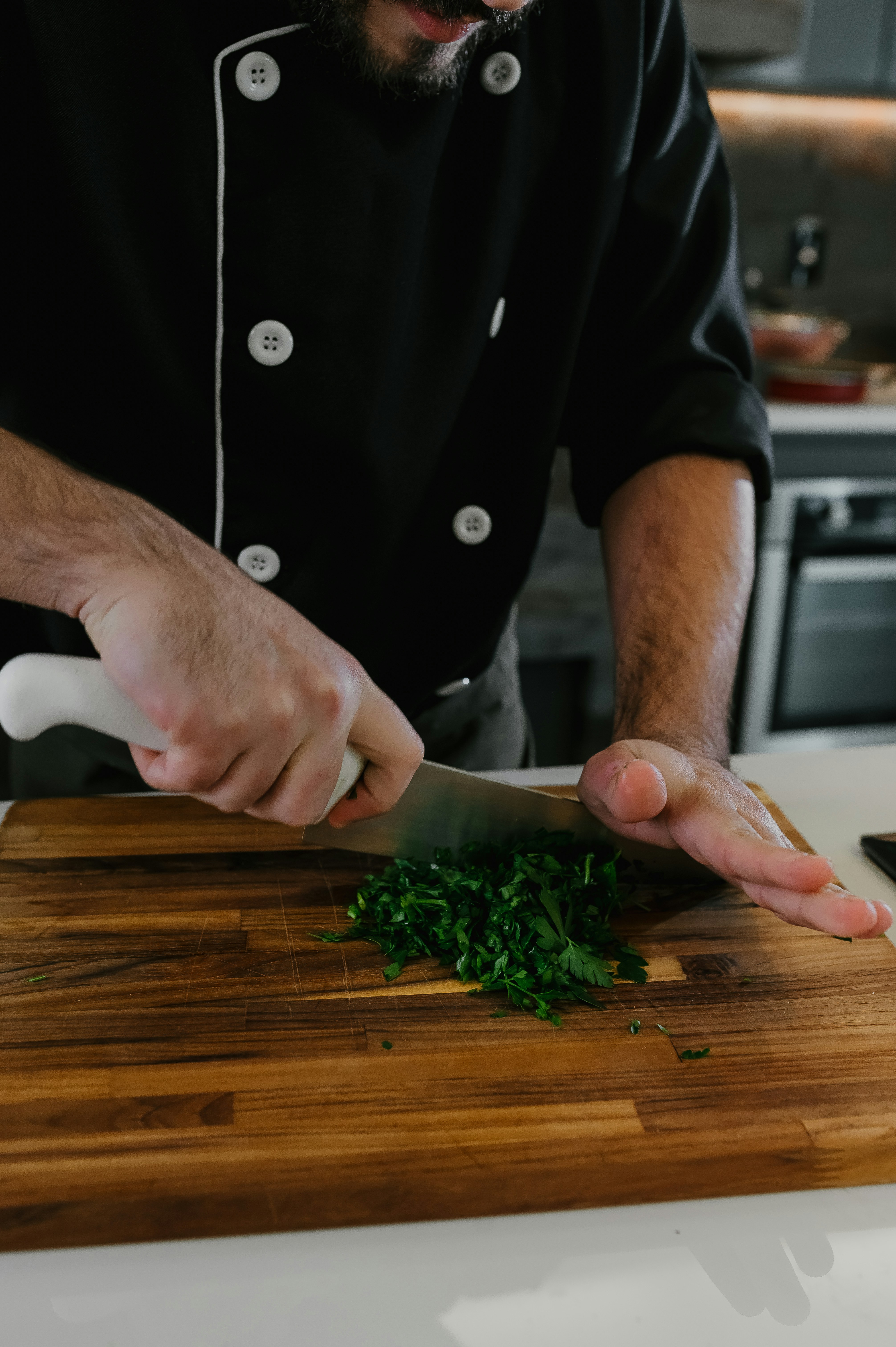
Essential Healthy Cooking Techniques: Transform Your Kitchen Skills
Healthy cooking extends far beyond ingredient selection. The techniques you use dramatically impact nutritional content, flavor development, and overall meal satisfaction. Professional chefs understand that proper cooking methods can enhance nutrients while creating delicious, satisfying meals.
According to the Harvard T.H. Chan School of Public Health, how you cook food can be just as important as what you cook when it comes to nutrition and health outcomes.
Table of Contents
- Understanding Heat and Nutrition
- Steaming: The Nutrient Preservation Champion
- Sautéing: Quick Cooking for Maximum Flavor
- Roasting: Developing Deep Flavors Naturally
- Grilling: Healthy High-Heat Cooking
- Other Essential Techniques
- Technique Comparison Chart
- Combining Techniques
- Key Takeaways
- Frequently Asked Questions
Understanding Heat and Nutrition
Heat affects nutrients differently across various cooking methods:
| Vitamin Type | Heat Sensitivity | Best Cooking Methods |
|---|---|---|
| Water-soluble (C, B vitamins) | High | Steaming, quick sautéing |
| Fat-soluble (A, D, E, K) | Moderate | Roasting with healthy fats |
| Minerals | Low | Any method |
| Antioxidants | Varies | Depends on specific compound |
According to research published in the Journal of Agricultural and Food Chemistry, light cooking often increases nutrient absorption for certain vegetables while preserving heat-sensitive vitamins.
The Cooking Paradox
| Raw Advantage | Cooked Advantage |
|---|---|
| Maximum vitamin C | Increased lycopene (tomatoes) |
| Intact enzymes | Better beta-carotene absorption |
| Full water-soluble vitamins | Reduced anti-nutrients |
| Crisp texture | Enhanced digestibility |
The key is balance—some foods benefit from cooking while others are best raw.
Steaming: The Nutrient Preservation Champion
Steaming ranks among the healthiest cooking methods because food never contacts cooking water directly.
Why Steaming Works
| Benefit | Explanation |
|---|---|
| Nutrient retention | Water-soluble vitamins stay in food |
| No added fat | Keeps calories minimal |
| Gentle cooking | Preserves texture and color |
| Versatility | Works for vegetables, fish, dumplings |
Steaming Technique
| Step | Action | Tips |
|---|---|---|
| 1 | Bring water to rolling boil | Water should not touch food |
| 2 | Add food to steamer basket | Don’t overcrowd |
| 3 | Cover tightly | Trap steam for even cooking |
| 4 | Check doneness early | Vegetables should stay bright |
| 5 | Remove promptly | Prevents overcooking |
Steaming Times
| Vegetable | Time | Visual Cue |
|---|---|---|
| Broccoli florets | 5-7 min | Bright green, slightly tender |
| Asparagus | 4-6 min | Bright green, bend slightly |
| Carrots (sliced) | 6-8 min | Fork-tender |
| Fish fillet | 6-10 min | Flakes easily |
| Spinach | 1-2 min | Wilted, bright green |
Related Reading: Seasonal Cooking Guide: Spring Ingredients
Sautéing: Quick Cooking for Maximum Flavor
Proper sautéing uses minimal fat at moderate temperatures to quickly cook foods while developing complex flavors.
Sautéing Fundamentals
| Element | Proper Approach |
|---|---|
| Pan | Heavy-bottomed, holds heat well |
| Fat | Thin layer, appropriate smoke point |
| Heat | Medium to medium-high |
| Food size | Uniform pieces for even cooking |
| Movement | Occasional tossing, not constant |
Oil Selection Guide
| Oil | Smoke Point | Best For |
|---|---|---|
| Avocado oil | 520°F | High-heat sautéing |
| Light olive oil | 470°F | Everyday cooking |
| Butter | 350°F | Low-heat finishing |
| Extra virgin olive oil | 375°F | Medium-heat sautéing |
| Coconut oil | 350°F | Moderate heat |
According to the American Heart Association, using healthy oils in moderation supports cardiovascular health while adding flavor.
Sautéing Best Practices
| Do | Don’t |
|---|---|
| Preheat pan before adding oil | Add cold oil to hot pan |
| Pat ingredients dry | Overcrowd the pan |
| Let food develop color | Move food constantly |
| Season at the end | Add salt too early (draws moisture) |
Roasting: Developing Deep Flavors Naturally
Roasting uses dry heat to develop rich, complex flavors through caramelization and Maillard reactions.
Roasting Temperature Guide
| Food Type | Temperature | Time |
|---|---|---|
| Root vegetables | 400-425°F | 25-40 min |
| Cruciferous vegetables | 425°F | 20-30 min |
| Chicken pieces | 425°F | 35-45 min |
| Whole chicken | 400°F | 60-90 min |
| Fish fillets | 400°F | 12-18 min |
Keys to Perfect Roasting
| Technique | Why It Matters |
|---|---|
| Single layer | Promotes browning, prevents steaming |
| Space between pieces | Allows air circulation |
| Minimal oil | Just enough to coat |
| Preheat oven | Ensures immediate cooking |
| Flip halfway | Even browning |
Roasted Vegetable Combinations
| Combination | Seasoning | Roast Time |
|---|---|---|
| Brussels sprouts + sweet potato | Maple, mustard | 30 min |
| Cauliflower + chickpeas | Cumin, turmeric | 25 min |
| Carrots + parsnips | Thyme, honey | 35 min |
| Zucchini + tomatoes | Garlic, oregano | 20 min |
Grilling: Healthy High-Heat Cooking
Grilling allows fats to drip away from foods while creating appealing flavors and textures.
Grilling Safety Tips
According to the National Cancer Institute, certain grilling practices can minimize harmful compound formation:
| Practice | Why It Matters |
|---|---|
| Marinate proteins | Reduces HCA formation by up to 90% |
| Avoid charring | Charred areas contain harmful compounds |
| Use lower temperatures | Less smoke, fewer harmful compounds |
| Trim visible fat | Reduces flare-ups |
| Flip frequently | Prevents excessive heat exposure |
Healthy Grilling Guide
| Food | Heat Level | Time | Internal Temp |
|---|---|---|---|
| Chicken breast | Medium-high | 6-8 min/side | 165°F |
| Fish fillet | Medium | 3-4 min/side | 145°F |
| Vegetables | Medium | 3-5 min/side | Until tender |
| Lean steak | High | 4-5 min/side | 145°F (medium) |
Other Essential Techniques
Braising: Combining Heat Methods
Braising starts with browning, then finishes with moist heat—perfect for tougher cuts.
| Step | Action | Result |
|---|---|---|
| 1 | Brown in minimal fat | Develops fond (flavor base) |
| 2 | Add liquid | Creates cooking medium |
| 3 | Simmer covered | Tenderizes tough cuts |
| 4 | Cook low and slow | Builds complex flavors |
Poaching: Gentle Cooking
| Temperature | Range | Best For |
|---|---|---|
| Low poach | 160-180°F | Delicate fish, eggs |
| Simmer | 185-200°F | Chicken breast |
| Gentle boil | 200-212°F | Hardier proteins |
Stir-Frying: Quick and Nutritious
| Principle | Application |
|---|---|
| High heat | Wok should smoke slightly |
| Quick cooking | 2-5 minutes total |
| Continuous motion | Prevents burning |
| Cook in batches | Avoids overcrowding |
| Add in order | Longest-cooking first |
Related Reading: Five Quick Weeknight Dinner Recipes
Technique Comparison Chart
| Technique | Nutrient Retention | Added Fat | Time | Best For |
|---|---|---|---|---|
| Steaming | Excellent | None | 5-15 min | Vegetables, fish |
| Sautéing | Good | Minimal | 5-15 min | Vegetables, proteins |
| Roasting | Good | Minimal | 20-60 min | Root vegetables, proteins |
| Grilling | Good | Minimal | 10-30 min | Proteins, vegetables |
| Braising | Moderate | Minimal | 1-3 hours | Tough cuts |
| Poaching | Good | None | 10-30 min | Delicate proteins |
| Stir-frying | Excellent | Minimal | 5-10 min | Vegetables, thin proteins |
| Boiling | Poor | None | Varies | Pasta, eggs |
Combining Techniques
Master cooks combine techniques within single dishes:
| Combination | Example | Result |
|---|---|---|
| Sear + braise | Pot roast | Flavor crust + tender interior |
| Blanch + sauté | Green beans | Set color + add flavor |
| Roast + glaze | Carrots | Caramelization + sweetness |
| Grill + finish in oven | Thick steaks | Grill marks + even cooking |
Key Takeaways
- Steaming preserves most nutrients — Use for vegetables and delicate fish
- Don’t overcrowd pans — Space allows proper browning
- Match oil to temperature — Smoke points matter
- Marinate before grilling — Reduces harmful compounds
- Combine techniques — Build layers of flavor
- Quick cooking preserves vitamins — Don’t overcook vegetables
Frequently Asked Questions
Which cooking method is healthiest?
No single method is “healthiest” for all foods. Steaming excels for retaining water-soluble vitamins in vegetables. Roasting enhances the bioavailability of some nutrients (like lycopene in tomatoes). According to nutrition research, the best approach is variety—use multiple techniques to maximize different nutritional benefits.
Does microwaving destroy nutrients?
Contrary to popular belief, microwaving is actually one of the best methods for preserving nutrients because it cooks quickly and uses minimal water. The Harvard Medical School confirms that short cooking times and limited water exposure help retain vitamins. The key is avoiding overcooking.
How do I know when oil is hot enough for sautéing?
The oil should shimmer and flow easily across the pan. A drop of water should sizzle immediately. For most sautéing, you’ll see the oil ripple slightly. If the oil smokes, it’s too hot—remove from heat briefly, then continue. Different oils have different smoke points, so match your oil to your cooking temperature.
Can I roast frozen vegetables without thawing?
Yes! Roasting frozen vegetables works well—they’ll just need more time (add 10-15 minutes) and may release more moisture initially. Spread them in a single layer and don’t crowd the pan. Some vegetables (like broccoli and Brussels sprouts) actually roast well from frozen. Avoid thawing beforehand, which creates excess moisture.
How can I add flavor without adding calories?
Fresh herbs, spices, citrus zest, and acids (like lemon juice or vinegar) add tremendous flavor without significant calories. Umami-rich ingredients like a splash of soy sauce, tomato paste, or a small amount of Parmesan add depth. According to flavor science research, aromatics like garlic and onions provide flavor far beyond their caloric contribution.
Healthy cooking technique mastery transforms ordinary ingredients into extraordinary meals while preserving maximum nutritional value. Focus on understanding how heat affects different foods, then practice individual techniques until they become second nature.