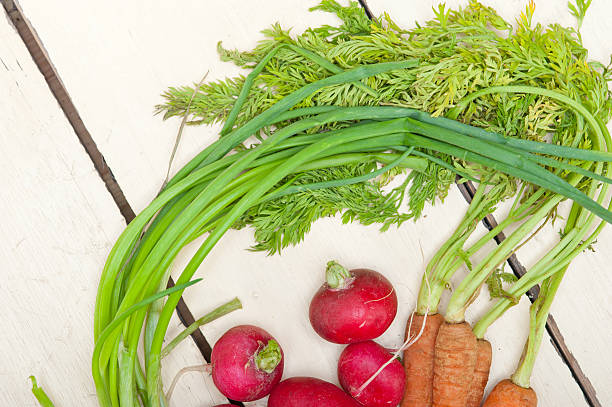
Seasonal Cooking Guide: Making the Most of Spring Ingredients
There’s something magical about cooking with ingredients at the peak of their season. Not only do they taste better, but seasonal produce is typically more nutritious, affordable, and environmentally friendly. As winter gives way to spring, markets and grocery stores fill with a vibrant array of fresh ingredients that can transform your cooking.
According to the USDA’s Seasonal Produce Guide, eating seasonally can reduce your food carbon footprint by up to 25% while delivering superior flavor and nutrition.
Table of Contents
- Why Cook Seasonally
- Spring Stars: Key Ingredients
- Simple Cooking Methods for Spring
- Spring Flavor Combinations
- A Complete Spring Menu
- Storing Spring Produce
- Key Takeaways
- Frequently Asked Questions
Why Cook Seasonally
Before diving into specific ingredients, consider why seasonal cooking is worth embracing:
| Benefit | Explanation |
|---|---|
| Superior flavor | Harvested at peak ripeness for better taste and texture |
| Higher nutrition | Less time between harvest and consumption preserves nutrients |
| Lower cost | Abundant produce means lower prices |
| Environmental benefits | Reduced transportation and more sustainable farming |
| Connection to nature | Following seasonal rhythms connects us to food sources |
According to the Journal of Agricultural and Food Chemistry, seasonal produce can contain up to 3 times more nutrients than out-of-season counterparts.
Spring Stars: Key Ingredients
Asparagus
Nothing signals spring quite like fresh asparagus. These tender spears are versatile and quick-cooking.
| Selection Tips | Storage | Prep Time |
|---|---|---|
| Firm stalks with closed tips | Standing in water in fridge | 5 minutes |
| Thicker = stronger flavor | Up to 5 days | |
| Thinner = more tender |
Simple Preparation Ideas:
| Method | Time | Flavor Profile |
|---|---|---|
| Roast (425°F) | 12-15 min | Caramelized, nutty |
| Blanch + chill | 3 min | Bright, crisp |
| Grill | 5-7 min | Smoky |
| Shave raw | None | Delicate, fresh |
Spring Peas
Fresh peas are a revelation compared to frozen—sweet, crisp, and vibrant.
| Type | Description | Best Use |
|---|---|---|
| English peas | Need shelling | Purees, pastas, risottos |
| Sugar snap peas | Eat the whole pod | Raw snacking, stir-fries |
| Snow peas | Flat, tender pods | Asian dishes, salads |
Cooking Tips: - Cook very briefly to maintain sweetness (1-2 minutes max) - Add to pasta dishes in the last minute - Eat sugar snap and snow peas raw in salads - Puree lightly cooked peas with mint for spring soup
Artichokes
These unique thistles require some preparation but reward with delicate flavor.
| Preparation Steps | Time | Tips |
|---|---|---|
| 1. Trim stem and top quarter | 2 min | Use serrated knife |
| 2. Remove tough outer leaves | 3 min | Pull firmly |
| 3. Trim leaf tips | 2 min | Kitchen scissors work well |
| 4. Steam or boil until tender | 25-40 min | Knife should pierce bottom easily |
Serving Suggestions: - Whole with melted butter or aioli for dipping - Remove hearts for salads, pastas, or pizza toppings - Stuff with breadcrumbs and herbs before cooking
Radishes
These peppery root vegetables add color and crunch to spring meals.
| Variety | Flavor | Best Use |
|---|---|---|
| French Breakfast | Mild | Raw, salads |
| Easter Egg | Multi-colored, mild | Presentation |
| Watermelon | Green outside, pink inside | Sliced raw |
| Daikon | Large, mild | Asian dishes |
Ways to Enjoy: - Slice thinly for salads and sandwiches - Roast whole to mellow sharpness - Sauté greens (they’re edible and nutritious!) - Serve with good butter and flaky salt (classic French)
Related Reading: Simple Italian Salad with Homemade Dressing
Spring Greens
Tender young greens form the foundation of spring salads and quick sautés.
| Green | Flavor Profile | Best Use |
|---|---|---|
| Arugula | Peppery | Salads, pizza topping |
| Baby spinach | Mild, versatile | Salads, sautés, smoothies |
| Watercress | Slightly bitter | Sandwiches, soups |
| Dandelion greens | Pleasantly bitter | Sautéed with garlic |
| Mâche | Delicate, nutty | Delicate salads |
Handling Tips: - Wash thoroughly but gently - Dry completely before storing (extends freshness) - Store with a paper towel to absorb moisture
Simple Cooking Methods for Spring
Spring cooking should be simple to let fresh flavors shine:
Blanching
This quick-cooking method preserves color, texture, and nutrients.
| Step | Action | Tips |
|---|---|---|
| 1 | Bring heavily salted water to rolling boil | Water should taste like the sea |
| 2 | Prepare ice bath | Large bowl with ice and water |
| 3 | Cook vegetables briefly | 30 sec - 3 min depending on vegetable |
| 4 | Transfer immediately to ice bath | Stops cooking instantly |
| 5 | Drain well before using | Pat dry if needed |
Perfect for: Asparagus, peas, fava beans, spring greens
Quick Pickling
Preserve spring vegetables with a simple pickling solution.
Basic Brine Recipe:
| Ingredient | Amount |
|---|---|
| Vinegar (white, rice, or apple cider) | 1 cup |
| Water | 1 cup |
| Sugar | 2 tablespoons |
| Salt | 1 tablespoon |
| Optional flavorings | Garlic, herbs, peppercorns |
Method: 1. Pack vegetables in a jar 2. Heat brine ingredients until dissolved 3. Pour hot brine over vegetables 4. Cool to room temperature, then refrigerate 5. Ready in about 1 hour; keeps for weeks
Perfect for: Radishes, spring onions, baby carrots, fennel
Simple Sautés
Quick cooking over higher heat preserves texture and flavor.
| Step | Action |
|---|---|
| 1 | Heat skillet over medium-high |
| 2 | Add small amount of oil or butter |
| 3 | Add vegetables cut to similar sizes |
| 4 | Cook, stirring occasionally, until just tender |
| 5 | Season with salt, pepper, and herbs at end |
Perfect for: Asparagus, sugar snap peas, spring onions, radishes
Spring Flavor Combinations
Some ingredients naturally complement each other. These classic pairings work beautifully:
| Main Ingredient | Classic Pairings |
|---|---|
| Asparagus | Lemon, Parmesan, hollandaise, eggs |
| Peas | Mint, butter, prosciutto, ricotta |
| Radishes | Butter, salt, dill, chives |
| Spring greens | Citrus, avocado, goat cheese |
| New potatoes | Dill, spring onions, crème fraîche |
| Artichokes | Garlic, lemon, olive oil |
| Strawberries | Balsamic, black pepper, cream |
A Complete Spring Menu
Put these ingredients and techniques together for a delightful spring meal:
| Course | Dish | Key Technique |
|---|---|---|
| Starter | Butter-dipped radishes with flaky salt and fresh bread | Raw |
| Main | Spring vegetable risotto with asparagus, peas, and lemon | Sautéing |
| Side | Simple green salad with shaved fennel and light vinaigrette | Raw |
| Dessert | Strawberries macerated with sugar and lemon | Marinating |
Wine Pairing: A crisp Sauvignon Blanc or Pinot Grigio complements spring vegetables beautifully.
Related Reading: Authentic Risotto Milanese
Storing Spring Produce
Proper storage extends the life of your seasonal ingredients:
| Produce | Storage Method | Duration |
|---|---|---|
| Asparagus | Standing in water in fridge, covered | 5 days |
| Peas (in pod) | Plastic bag in fridge | 3-5 days |
| Artichokes | Plastic bag in fridge | 5-7 days |
| Radishes | Remove greens, store separately | 1 week (roots), 2 days (greens) |
| Spring greens | Paper towel in open container | 3-5 days |
| Strawberries | Single layer, unwashed | 2-3 days |
Key Takeaways
- Seasonal = superior — Peak-season produce tastes better and costs less
- Simple preparation — Spring ingredients need minimal cooking to shine
- Blanching preserves — Color, texture, and nutrients with brief cooking
- Quick pickling extends — Preserve the season for weeks
- Classic pairings work — Asparagus + lemon, peas + mint never fail
- Store properly — Maximize freshness with correct storage methods
Frequently Asked Questions
How do I know when vegetables are truly “in season”?
Check farmers markets—they only sell what’s actually growing locally. Seasonal produce should be abundant, affordable, and have that “just picked” appearance. According to the Seasonal Food Guide, spring vegetables in most of the US include asparagus, peas, radishes, and spring greens from March through June.
Can I substitute frozen for fresh spring vegetables?
For some preparations, yes. Frozen peas work well in soups and risottos. However, the texture of frozen vegetables doesn’t match fresh for salads or lightly cooked dishes. The USDA notes that frozen vegetables are often nutritionally comparable to fresh since they’re frozen at peak ripeness.
How do I reduce bitterness in spring greens?
Several techniques help: blanch briefly in salted water, sauté with olive oil and garlic, pair with acidic ingredients (lemon, vinegar), or balance with rich elements (butter, cheese, eggs). Young spring greens are naturally less bitter than mature versions, so buy early in the season.
What’s the best way to prepare artichokes for beginners?
Start with steaming whole artichokes—it’s forgiving and requires minimal prep. Remove outer leaves, trim the top and stem, steam for 25-40 minutes until a leaf pulls off easily. Serve with melted butter or aioli for dipping. Once comfortable, try working with just the hearts for pastas and salads.
How can I tell if asparagus is fresh?
Look for firm spears with tightly closed, dry tips (not slimy or wet). The cut end should look moist, not dried out. Thinner spears are more tender; thicker ones have more flavor. Snap the bottom inch off—fresh asparagus breaks cleanly at the natural point where tender meets tough.
Spring cooking is about simplicity and allowing fresh ingredients to speak for themselves. By seeking out what’s in season and treating these ingredients with care, you’ll create meals that capture the essence of spring on your plate.