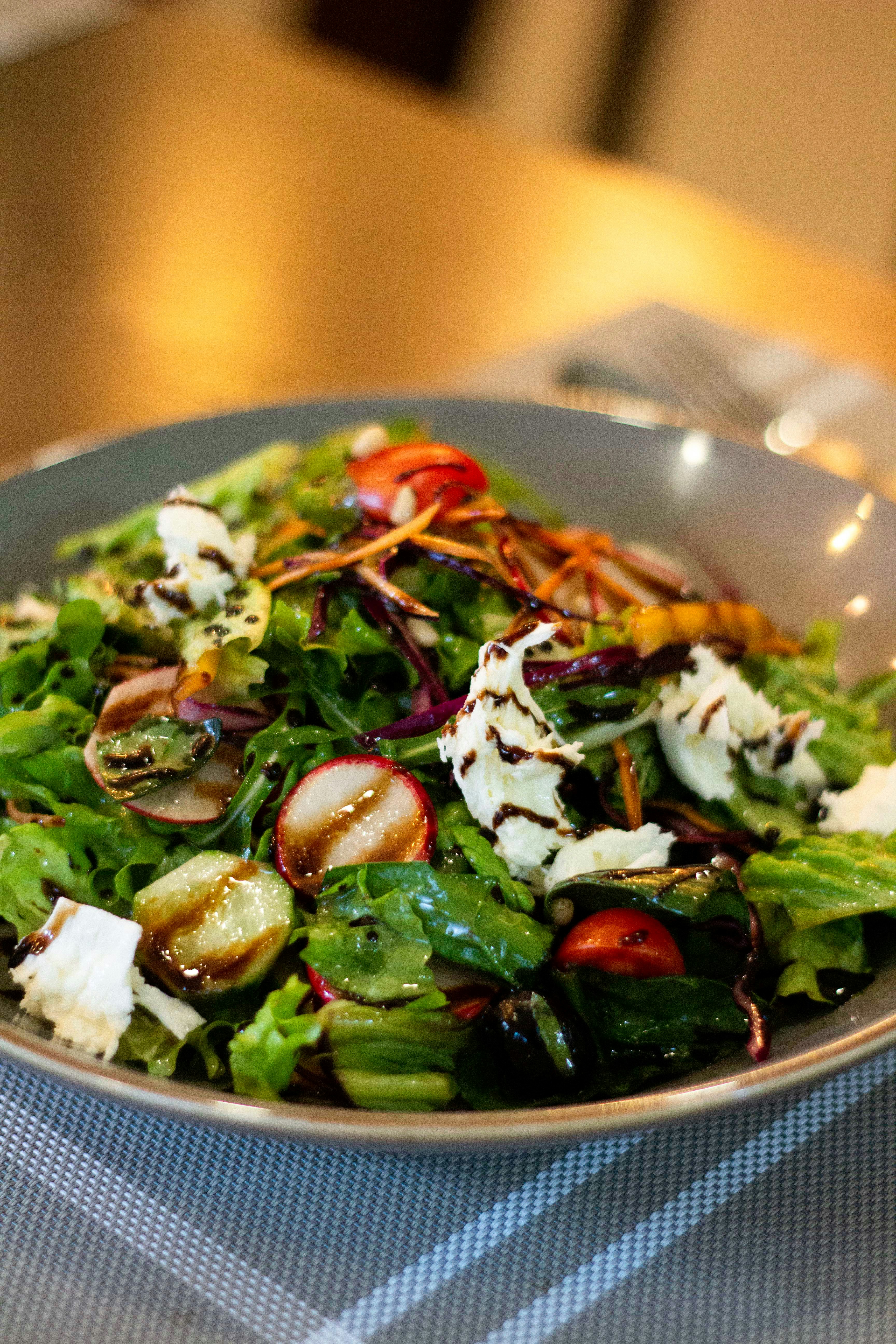
Simple Italian Salad with Homemade Dressing
A fresh, crisp Italian salad is one of those deceptively simple dishes that, when made properly, can elevate any meal from ordinary to extraordinary. Unlike heavily dressed American-style salads, authentic Italian salads celebrate the natural flavors of fresh vegetables with just enough dressing to enhance—never overpower—the ingredients.
This classic Italian salad recipe features a colorful array of vegetables, briny olives, and a perfectly balanced homemade vinaigrette. It’s the ideal companion to any Italian meal, from pizza to pasta, or can stand alone as a light lunch when paired with crusty bread.
Table of Contents
- The Italian Approach to Salad
- Ingredients You’ll Need
- Step-by-Step Instructions
- Tips for Salad Perfection
- Variations and Additions
- Seasonal Adaptations
- Serving Suggestions
- Nutritional Benefits
- Key Takeaways
- Frequently Asked Questions
The Italian Approach to Salad
In Italy, salad—or “insalata”—is typically served as a side dish after the main course. This timing helps cleanse the palate and aids digestion. Italian salads tend to be simpler than their American counterparts, with fewer ingredients and lighter dressings. The focus is squarely on freshness and quality rather than complexity.
According to the Italian Academy of Cuisine, the tradition of insalata mista (mixed salad) dates back centuries and emphasizes using seasonal, locally-grown produce dressed simply with quality olive oil and vinegar.
While this recipe creates a versatile “insalata mista” (mixed salad), feel free to adapt it seasonally. Italians firmly believe in using what’s fresh and local, so the specific vegetables might change throughout the year, but the principles remain the same: fresh ingredients, quality olive oil, and a light touch with dressing.
Ingredients You’ll Need
For the Salad (Serves 4 as a side dish):
| Ingredient | Amount | Notes |
|---|---|---|
| Mixed salad greens | 6 cups | Include arugula for peppery flavor |
| Radicchio | 1 small head | Thinly sliced (about 1 cup) |
| Cherry tomatoes | 1 cup | Halved |
| Cucumber | 1 small | Thinly sliced |
| Red onion | 1/2 small | Very thinly sliced |
| Olives | 1/3 cup | Kalamata or Castelvetrano, pitted |
| Fresh basil | Small handful | Torn (optional) |
| Parmigiano-Reggiano | 1/4 cup | Shaved (optional) |
| Salt and pepper | To taste | Freshly ground black pepper preferred |
For the Classic Italian Vinaigrette:
| Ingredient | Amount | Purpose |
|---|---|---|
| Extra virgin olive oil | 3 tablespoons | Use the best quality you can afford |
| Red wine vinegar | 1 tablespoon | Provides acidity |
| Dijon mustard | 1/2 teaspoon | Acts as emulsifier |
| Garlic | 1/2 small clove | Very finely minced or pressed |
| Dried oregano | 1/4 teaspoon | Traditional Italian herb |
| Salt | Pinch | Enhances all flavors |
| Black pepper | To taste | Freshly ground |
Step-by-Step Instructions
Prepare the Vinaigrette
-
Combine base ingredients: In a small bowl, combine the minced garlic, Dijon mustard, red wine vinegar, dried oregano, salt, and pepper.
-
Emulsify with oil: Slowly drizzle in the olive oil while whisking continuously to emulsify. The dressing should become slightly creamy in appearance.
-
Taste and adjust: The dressing should be tangy but balanced. Add more salt or vinegar if needed.
-
Let flavors meld: Allow to sit for at least 15 minutes before using. This can be made up to 2 days ahead and stored in the refrigerator (bring to room temperature before using).
Prepare the Vegetables
-
Wash and dry thoroughly: If serving immediately, wash and completely dry all greens and vegetables. Excess water will dilute the dressing and cause the salad to become soggy.
-
Slice the radicchio: Cut into thin strips for even distribution.
-
Halve the cherry tomatoes: Cut through the stem end for best presentation.
-
Slice the cucumber: Aim for thin, uniform slices.
-
Prepare the red onion: Slice as thinly as possible. Soak in cold water for 10-15 minutes to remove some of the harsh bite, if desired. Drain and dry well.
Assemble the Salad
-
Combine greens: In a large bowl, combine the mixed greens and radicchio.
-
Add vegetables: Add the cucumber, cherry tomatoes, red onion (drained and dried if soaked), and olives.
-
Add herbs: Tear the fresh basil leaves, if using, and add to the bowl.
-
Season lightly: Add a small pinch of salt and freshly ground black pepper.
Dress and Serve
-
Dress only when ready: Only dress the salad right before serving to prevent wilting.
-
Re-whisk the vinaigrette: If it has separated, whisk again until combined.
-
Dress lightly: Drizzle about two-thirds of the dressing over the salad and toss gently with salad servers or clean hands to coat evenly.
-
Taste and adjust: Taste a leaf and add more dressing if needed. Italian salads are typically lightly dressed—each leaf should be just coated, not swimming in dressing.
-
Add cheese (optional): If using, sprinkle with shaved Parmigiano-Reggiano cheese.
-
Serve immediately: Italian salads are best enjoyed right away.
Related Reading: Authentic Risotto Milanese: The Golden Italian Classic
Tips for Salad Perfection
Ingredient Selection
| Ingredient | What to Look For |
|---|---|
| Greens | Include bitter greens like arugula and radicchio for complexity |
| Tomatoes | Cherry or grape varieties are sweeter and more flavorful year-round |
| Olive Oil | Premium extra virgin with a peppery finish makes all the difference |
| Vinegar | Red wine is traditional; white wine or lemon juice also work well |
Preparation Techniques
-
Drying greens is crucial: Use a salad spinner, then pat with paper towels if needed. Wet greens won’t hold dressing properly.
-
Room temperature tomatoes: For best flavor, never serve tomatoes straight from the refrigerator. The cold mutes their natural sweetness.
-
Onion preparation: The cold water soak removes harsh, sulfurous compounds while maintaining crisp texture and color.
-
Salt timing: Add just a small pinch before dressing. Too much salt will cause vegetables to release water and become soggy.
The 3:1 Dressing Ratio
Traditional Italian vinaigrette follows a simple ratio that’s easy to remember:
| Component | Ratio | Example |
|---|---|---|
| Olive Oil | 3 parts | 3 tablespoons |
| Acid (vinegar/lemon) | 1 part | 1 tablespoon |
This ratio creates the perfect balance of richness and brightness. According to Serious Eats, this classic proportion has been used in Mediterranean cooking for centuries.
Variations and Additions
While the classic Italian salad is beautifully simple, here are some authentic additions that complement the basic recipe:
Vegetable Additions
- Fennel: Thinly sliced fennel adds crisp texture and subtle anise flavor
- Bell Peppers: Particularly common in summer salads
- Artichoke Hearts: Quartered marinated hearts add a Mediterranean touch
Protein Additions (to make it a meal)
| Protein | Amount | Preparation |
|---|---|---|
| Oil-packed tuna | 1 can (5 oz) | Drain and flake over salad |
| Cannellini beans | 1 can (15 oz) | Drain, rinse, and add |
| Grilled chicken | 4 oz per person | Slice and arrange on top |
| Hard-boiled eggs | 1-2 per person | Quarter and add |
Herb Variations
- Flat-leaf parsley: Adds fresh, bright flavor
- Fresh mint: Particularly good in summer
- Fresh oregano: More potent than dried; use sparingly
Seasonal Adaptations
True Italian cooking follows the rhythms of the seasons. Here’s how you might adapt this salad throughout the year:
Spring
- Add tender young asparagus, blanched and chilled
- Incorporate fresh peas or pea shoots
- Use delicate spring lettuces
Summer
- Add colorful heirloom tomatoes
- Include fresh sweet corn kernels
- Incorporate thinly sliced zucchini
Fall
- Add roasted bell peppers
- Include thinly sliced fennel
- Incorporate bitter greens like endive
Winter
- Add segments of blood oranges
- Include roasted beets (cooled)
- Incorporate shaved Brussels sprouts
Related Reading: Seasonal Cooking Guide: Spring Ingredients
Serving Suggestions
This versatile salad pairs beautifully with nearly any Italian main course:
| Pair With | Why It Works |
|---|---|
| Pasta dishes | The fresh salad cuts through rich sauces |
| Pizza | Traditional Italian accompaniment |
| Grilled meats or fish | Light counterpoint to hearty proteins |
| Risotto | Provides freshness to balance creamy rice |
| Crusty bread and cheese | Makes a complete light lunch |
Nutritional Benefits
This simple Italian salad offers impressive nutritional value per serving (approximately):
| Nutrient | Amount | % Daily Value |
|---|---|---|
| Calories | 150-180 | - |
| Fiber | 4g | 14% |
| Vitamin A | 120% DV | Excellent |
| Vitamin C | 45% DV | Good |
| Vitamin K | 180% DV | Excellent |
| Healthy Fats | 12g | From olive oil |
According to the American Heart Association, the Mediterranean-style combination of olive oil, vegetables, and moderate portions contributes to cardiovascular health.
Storage Tips
Ideally, this salad should be prepared and dressed just before serving. However, if you need to prepare components ahead of time:
| Component | Storage Method | Duration |
|---|---|---|
| Washed/dried greens | Refrigerator with paper towel | 1-2 days |
| Prepared vegetables (except tomatoes) | Separate containers, refrigerated | Up to 1 day |
| Vinaigrette | Refrigerator, sealed jar | Up to 3 days |
| Dressed salad | Never store | N/A |
Key Takeaways
- Quality over quantity: Use the best olive oil you can afford—it makes a noticeable difference
- Dry your greens completely: This is the #1 secret to a properly dressed salad
- Dress lightly: Italian salads should be lightly coated, not drowning
- Room temperature tomatoes: Cold kills their flavor
- Serve immediately: Dress only when ready to eat
- Follow the 3:1 ratio: Three parts oil to one part acid for perfect vinaigrette
Frequently Asked Questions
Can I make the dressing ahead of time?
Yes! The vinaigrette can be made up to 3 days in advance and stored in a sealed jar in the refrigerator. In fact, making it ahead allows the flavors to meld and develop. Just remember to bring it to room temperature and re-whisk before using, as the olive oil will solidify when cold.
Why does my homemade dressing separate?
Oil and vinegar naturally separate over time. The Dijon mustard in this recipe acts as an emulsifier to help keep them combined, but some separation is normal. Simply whisk vigorously right before using. For a more stable emulsion, you can add a tiny bit more mustard or blend the dressing in a small food processor.
What’s the best olive oil to use for Italian salad dressing?
Look for “extra virgin” olive oil from a single country of origin (Italian, Greek, or Spanish are excellent choices). Quality extra virgin olive oil should taste fruity with a slight peppery finish. According to the Olive Oil Times, fresh extra virgin olive oil typically has a harvest date on the bottle and should be used within 18 months.
Can I substitute other vinegars for red wine vinegar?
Absolutely! While red wine vinegar is traditional, you can use white wine vinegar, champagne vinegar, or even fresh lemon juice. Balsamic vinegar works but will change the character of the dressing significantly—use it sparingly as it’s sweeter and more assertive than wine vinegar.
How do I prevent my salad from getting soggy?
Three key steps: First, dry your greens thoroughly using a salad spinner and paper towels. Second, add salt sparingly and only right before dressing (salt draws out water). Third, only dress the salad immediately before serving—never in advance. Keep dressed salad on the table for no more than 30 minutes.
Buon appetito! This salad pairs perfectly with our Easy Homemade Pasta with Fresh Tomato Sauce for a complete Italian meal.