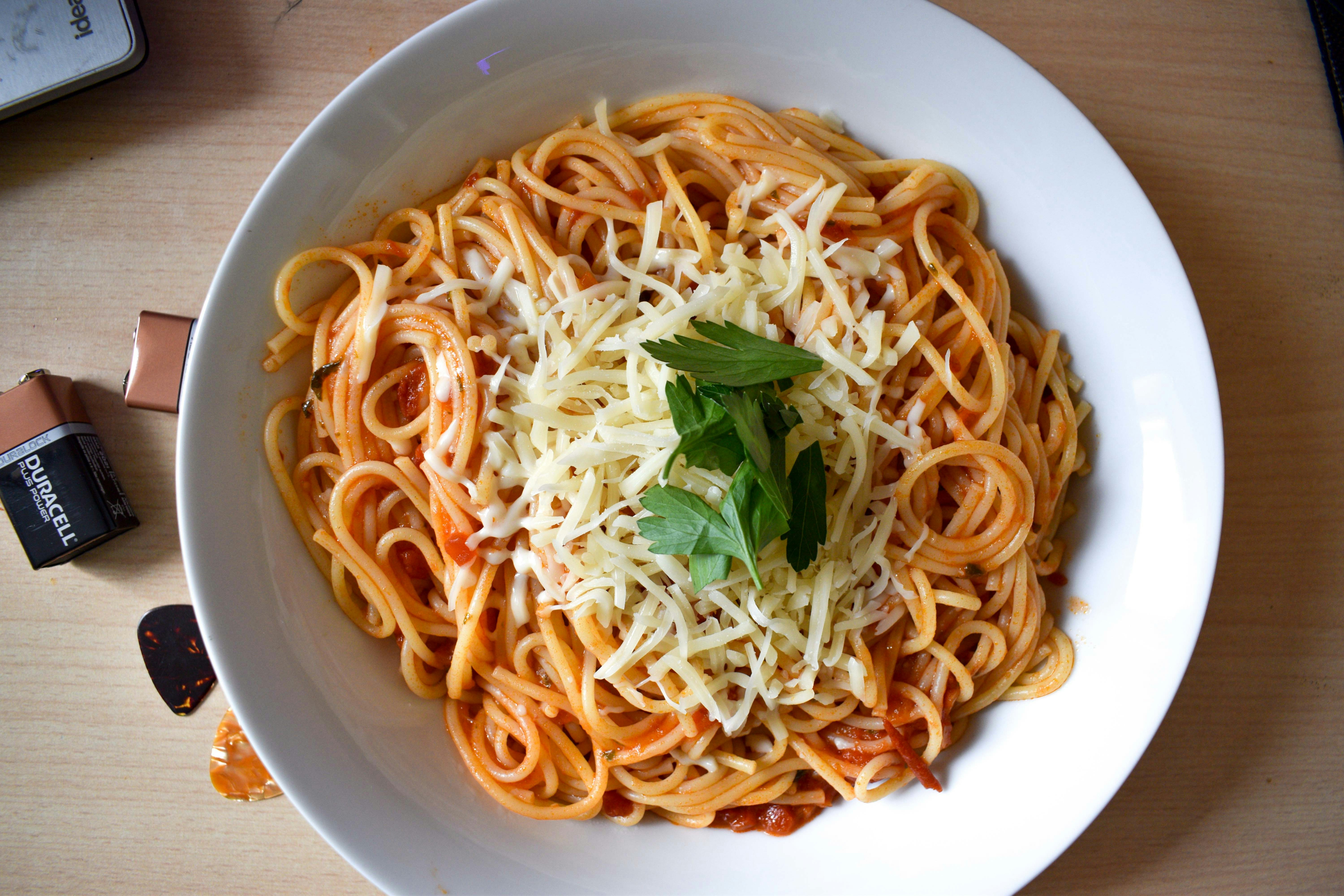
Easy Homemade Pasta with Fresh Tomato Sauce
There’s something incredibly satisfying about making pasta from scratch. The process is therapeutic, the ingredients are simple, and the result is far superior to anything you can buy in a store. In this guide, we’ll walk through making homemade pasta with a fresh tomato sauce that highlights the natural flavors of ripe tomatoes.
According to the Italian Academy of Cuisine, fresh pasta has been a cornerstone of Italian culinary tradition for centuries, with regional variations reflecting local ingredients and techniques.
Table of Contents
- Why Make Pasta from Scratch
- Ingredients Overview
- Making the Pasta Dough
- Rolling and Cutting the Pasta
- Making the Fresh Tomato Sauce
- Cooking and Serving
- Tips for Success
- Variations to Try
- Storage and Make-Ahead Options
- Key Takeaways
- Frequently Asked Questions
Why Make Pasta from Scratch
Before diving into the recipe, consider why homemade pasta is worth the effort:
| Benefit | Explanation |
|---|---|
| Superior texture | Fresh pasta has a tender yet toothsome quality store-bought can’t match |
| Better flavor | The egg-rich dough has depth dried pasta lacks |
| Sauce absorption | Fresh pasta’s porous surface holds sauce beautifully |
| Ingredient control | You know exactly what goes into your food |
| Therapeutic process | Kneading dough is genuinely relaxing |
Ingredients Overview
For the Pasta Dough (Serves 4)
| Ingredient | Amount | Purpose |
|---|---|---|
| All-purpose flour | 2 cups (300g) | Structure |
| Large eggs | 3 | Moisture and richness |
| Salt | ½ teaspoon | Flavor |
| Olive oil | 1 tablespoon | Tenderness |
| Water | 1-2 tablespoons | If needed for moisture |
For the Fresh Tomato Sauce
| Ingredient | Amount | Purpose |
|---|---|---|
| Ripe tomatoes | 2 pounds (900g) | Base (Roma or San Marzano) |
| Olive oil | 3 tablespoons | Cooking fat |
| Garlic | 4 cloves, sliced | Flavor base |
| Onion | 1 small, diced | Aromatics |
| Red pepper flakes | ¼ teaspoon | Heat (optional) |
| Fresh basil | ¼ cup, torn | Freshness |
| Salt | 2 teaspoons | Seasoning |
| Sugar | 1 teaspoon | Balance acidity (optional) |
| Parmesan | ¼ cup, grated | Finishing |
Nutrition Information (Per Serving)
| Nutrient | Amount | % Daily Value |
|---|---|---|
| Calories | 450 | - |
| Protein | 14g | 28% |
| Carbohydrates | 65g | 22% |
| Fat | 15g | 19% |
| Fiber | 4g | 14% |
| Sodium | 680mg | 28% |
Making the Pasta Dough
Step-by-Step Instructions
Step 1: Create the Flour Well
On a clean work surface (marble or wood is ideal), create a mound with the flour. Make a well in the center large enough to hold the eggs.
Step 2: Add Wet Ingredients
Crack the eggs into the well. Add the salt and olive oil.
Step 3: Mix the Dough
Using a fork, beat the eggs while gradually incorporating flour from the sides of the well. Continue until the mixture becomes too thick to mix with the fork.
Step 4: Knead the Dough
Use your hands to bring the remaining flour into the dough. Knead for 8-10 minutes until smooth and elastic.
| Dough Problem | Cause | Solution |
|---|---|---|
| Too dry | Not enough moisture | Add water, 1 tsp at a time |
| Too sticky | Too much moisture | Add flour, 1 tbsp at a time |
| Won’t come together | Under-kneaded | Continue kneading |
Step 5: Rest the Dough
Wrap the dough in plastic wrap and let it rest at room temperature for at least 30 minutes (or up to 2 hours). According to King Arthur Baking, this resting period allows the gluten to relax, making the dough easier to roll.
Related Reading: Authentic Risotto Milanese
Rolling and Cutting the Pasta
Preparation
- Dust your work surface with flour
- Divide the dough into 4 equal pieces
- Work with one piece at a time, keeping others covered
Rolling Methods
| Method | Pros | Cons |
|---|---|---|
| Pasta machine | Consistent thickness, faster | Requires equipment |
| Rolling pin | No equipment needed | More skill required |
Pasta Machine Method
| Setting | Action |
|---|---|
| #1 (widest) | Pass dough through, fold in thirds, rotate, repeat 3-4 times |
| #2-#5 | Pass through each setting once |
| #6 or #7 | Final thickness for fettuccine/tagliatelle |
Hand Rolling Method
Roll dough as thin as possible (about 1/16 inch). Lightly flour the sheet, loosely roll it up, and cut into strips about ¼ inch wide.
Drying
Unroll the cut pasta and either hang on a pasta drying rack or form into small nests on a floured surface. Let dry slightly while you prepare the sauce.
Making the Fresh Tomato Sauce
Step-by-Step Instructions
Step 1: Prepare the Tomatoes
| Action | Time | Purpose |
|---|---|---|
| Boil water | - | For blanching |
| Score an “X” on each tomato | - | Helps peel |
| Blanch tomatoes | 30 seconds | Loosens skin |
| Transfer to ice bath | - | Stops cooking |
| Peel, seed, and chop | - | Preparation |
Step 2: Cook the Aromatics
Heat olive oil in a large skillet over medium heat. Add garlic and onion, cooking until soft and fragrant (3-4 minutes). Add red pepper flakes if using.
Step 3: Add Tomatoes
Add the chopped tomatoes and salt. Bring to a simmer, then reduce heat to medium-low. Cook for 20-25 minutes, stirring occasionally, until the sauce thickens slightly.
Step 4: Finish the Sauce
Taste and add sugar if needed to balance acidity. Add black pepper and half of the torn basil leaves.
Cooking and Serving
Cooking Fresh Pasta
Fresh pasta cooks much faster than dried—usually just 2-3 minutes!
| Step | Action | Tip |
|---|---|---|
| 1 | Bring large pot of salted water to boil | Water should taste like the sea |
| 2 | Add pasta | Don’t overcrowd |
| 3 | Cook 2-3 minutes until al dente | Test early! |
| 4 | Reserve ½ cup pasta water | For sauce adjustment |
| 5 | Drain pasta | Don’t rinse |
Combining Pasta and Sauce
- Add drained pasta directly to the skillet with sauce
- Add a splash of reserved pasta water
- Add the grated Parmesan
- Toss everything together until pasta is well coated
- Garnish with remaining basil and additional Parmesan
Related Reading: Simple Italian Salad with Homemade Dressing
Tips for Success
Flour Selection
| Flour Type | Result | Best For |
|---|---|---|
| All-purpose | Good texture, widely available | Everyday pasta |
| “00” flour | Silkier texture | Special occasions |
| Semolina | Firmer texture | Shaped pasta |
Key Success Factors
| Factor | Why It Matters | How to Achieve |
|---|---|---|
| Room temperature eggs | Better dough consistency | Take out 30 min before |
| Proper kneading | Develops gluten for texture | 8-10 minutes, until smooth |
| Adequate rest time | Relaxes gluten for easy rolling | Minimum 30 minutes |
| Ripe tomatoes | Better sauce flavor | Red, fragrant, slightly soft |
Variations to Try
Pasta Variations
| Variation | Ingredient Change | Result |
|---|---|---|
| Herb pasta | Add 1 tbsp chopped herbs to dough | Flecked green pasta |
| Spinach pasta | Replace 1 egg with ¼ cup cooked spinach | Green pasta |
| Whole wheat | Replace half flour with whole wheat | Nuttier, heartier |
Sauce Additions
| Addition | Amount | Pairs Well With |
|---|---|---|
| Roasted red peppers | ½ cup diced | Chicken, shrimp |
| Olives | ¼ cup sliced | Capers, anchovies |
| Grilled chicken | 1 cup sliced | Additional vegetables |
| Shrimp | ½ lb sautéed | Garlic, white wine |
Storage and Make-Ahead Options
| Component | Storage Method | Duration |
|---|---|---|
| Unrolled dough | Wrap tightly, refrigerate | 24 hours |
| Fresh cut pasta | Dry completely, airtight container | 2 weeks |
| Frozen pasta | Single layer on sheet pan, then bag | 3 months |
| Tomato sauce | Refrigerate in glass container | 5 days |
| Tomato sauce | Freeze in portions | 3 months |
Freezing Fresh Pasta
- Spread cut pasta in a single layer on a baking sheet
- Freeze until solid (about 1 hour)
- Transfer to freezer bags
- Cook directly from frozen, adding 1-2 minutes to cooking time
Key Takeaways
- Simple ingredients — Great pasta needs only flour, eggs, salt, and oil
- Resting is essential — 30+ minutes lets gluten relax for easier rolling
- Fresh pasta cooks fast — Just 2-3 minutes in boiling water
- Quality tomatoes matter — Use the ripest tomatoes you can find
- Reserve pasta water — Starchy water helps sauce cling to pasta
- Serve immediately — Fresh pasta is best enjoyed right away
Frequently Asked Questions
Can I make pasta dough in a food processor?
Yes! Pulse flour and salt together, then add eggs and oil while the processor runs. Process just until the dough forms a ball, then transfer to a floured surface and knead by hand for 2-3 minutes. The food processor does the initial mixing but hand kneading finishes developing the gluten.
What if I don’t have a pasta machine?
A rolling pin works perfectly well—Italian grandmothers have used them for centuries! The key is patience and arm strength. Roll from the center outward, rotating the dough frequently. Aim for even thickness throughout. It takes practice, but the results are just as delicious.
Can I use canned tomatoes instead of fresh?
Absolutely! High-quality canned San Marzano tomatoes are an excellent choice, especially when fresh tomatoes aren’t in season. Use one 28-ounce can, crushed by hand, and reduce the cooking time to 15-20 minutes since canned tomatoes are already partially cooked.
Why did my pasta turn out tough?
Tough pasta usually results from over-kneading (developing too much gluten), not resting the dough long enough, or rolling it too thick. For tender pasta, knead just until smooth, rest for at least 30 minutes, and roll thin enough to see your hand through it (for fettuccine).
How do I know when fresh pasta is done?
Fresh pasta cooks much faster than dried—taste test after 2 minutes. It should be tender but still have a slight bite (al dente). The pasta will continue cooking slightly after draining, so err on the side of underdone. Unlike dried pasta, fresh pasta floats and then sinks when it’s ready.
Making pasta from scratch is a wonderful weekend project and a valuable skill. Once you’ve experienced the satisfaction of creating something so fundamental with your own hands—and tasted the difference—you’ll understand why it’s worth the effort. Buon appetito!