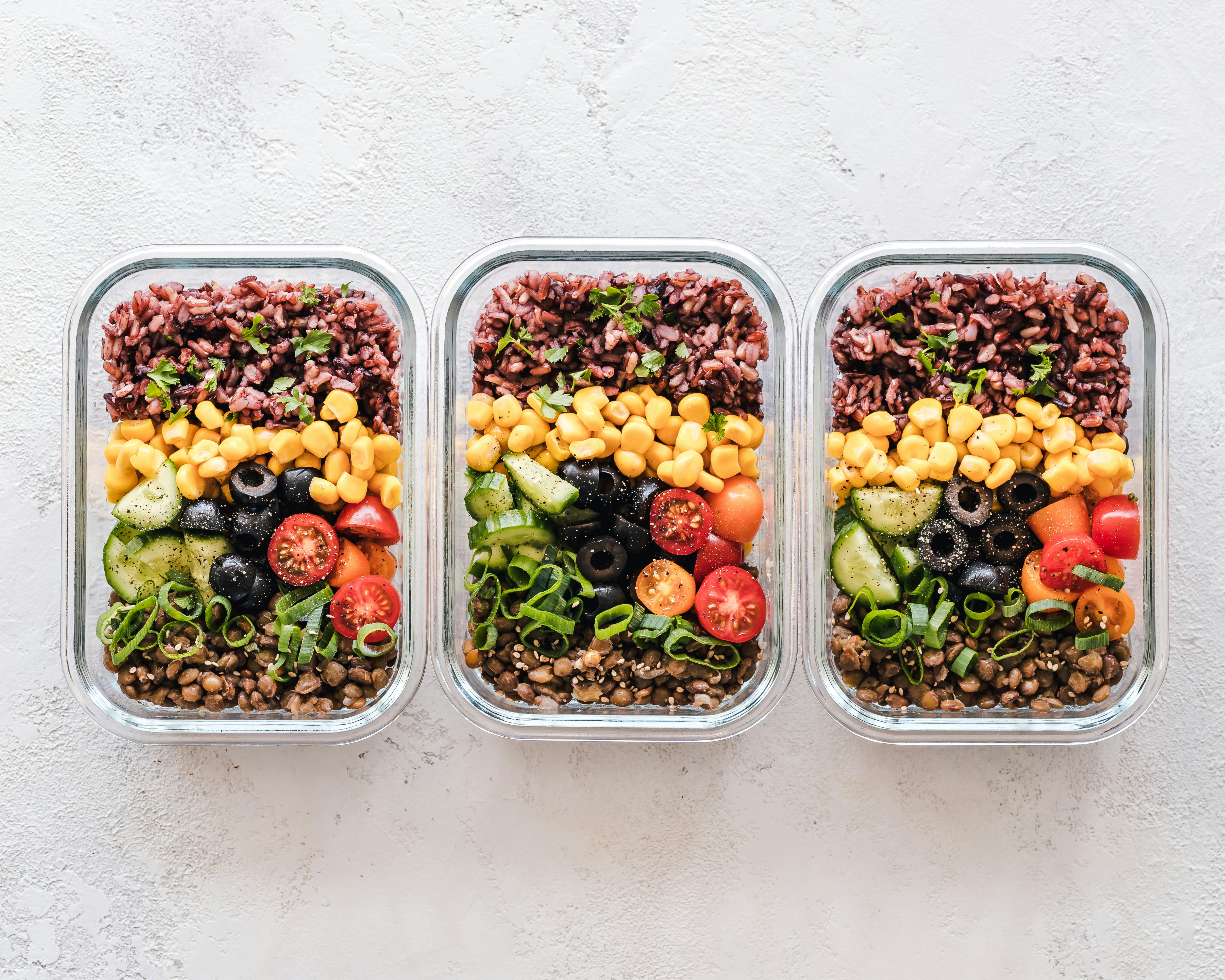
How to Meal Prep Like a Pro: A Beginner’s Guide
Let me tell you about the Sunday that changed my entire relationship with weeknight cooking. I spent 2 hours prepping meals, and by Wednesday, I realized I hadn’t stressed about dinner once. No more 8pm pizza orders because I was too tired to figure out food.
Meal prep isn’t about eating sad, mushy reheated food all week. Done right, it’s about setting yourself up for success with minimal daily effort.
Table of Contents
- Why Meal Prep Actually Works
- Essential Equipment for Meal Prep
- Planning Your Meal Prep Strategy
- Meal Prep Methods Explained
- A Sample Beginner’s Meal Prep Plan
- Step-by-Step Meal Prep Session
- Food Safety and Storage Guidelines
- Sample Meal Ideas for Every Meal
- Common Mistakes to Avoid
- Key Takeaways
- Frequently Asked Questions
Why Meal Prep Actually Works
According to a study published in the International Journal of Behavioral Nutrition and Physical Activity, people who spend more time on meal preparation eat more fruits and vegetables and are less likely to rely on fast food.
The Real Benefits of Meal Prep
| Benefit | How It Helps |
|---|---|
| Time savings | Cook once, eat multiple times throughout the week |
| Money savings | Reduces impulse takeout orders and food waste |
| Healthier eating | Planned meals beat desperation decisions |
| Reduced stress | No daily “what’s for dinner?” anxiety |
| Portion control | Pre-portioned meals prevent overeating |
| Variety | With planning, you can eat different meals daily |
The average American spends over $3,000 annually on eating out, according to the Bureau of Labor Statistics. Even cutting this in half through meal prep represents significant savings.
Essential Equipment for Meal Prep
Don’t let anyone convince you that you need expensive gadgets to meal prep. I started with takeout containers and mason jars. But a few key items make this so much easier:
Container Essentials
| Container Type | Best For | Key Features |
|---|---|---|
| Glass containers | Hot foods, long-term storage | Microwave-safe, no odor absorption |
| BPA-free plastic | Grab-and-go meals, freezer storage | Lightweight, stackable |
| Mason jars | Salads, overnight oats, smoothies | Layers stay separate |
| Silicone bags | Marinated proteins, soups | Reusable, freezer-safe |
What to Look For in Containers
- Freezer-safe for meals you’ll freeze
- Leakproof especially for lunches on-the-go
- Stackable for efficient storage
- Microwave and dishwasher safe for convenience
Basic Kitchen Equipment
- Sharp chef’s knife
- Large cutting board
- Measuring cups and spoons
- Mixing bowls (various sizes)
- Sheet pans (at least 2)
- Large pot and skillet
Optional but Helpful
| Equipment | Why It’s Useful |
|---|---|
| Slow cooker or Instant Pot | Hands-off cooking of proteins and grains |
| Food processor | Quick chopping and sauce-making |
| Kitchen scale | Accurate portions |
| Silicone baking mats | Easy cleanup on sheet pans |
Related Reading: Kitchen Tools Worth Buying vs. Complete Waste of Money
Planning Your Meal Prep Strategy
The most successful meal preppers start with a clear plan. Here’s how to develop yours:
Step 1: Assess Your Schedule
Take a look at your upcoming week:
| Day Type | Meal Prep Approach |
|---|---|
| Super busy days | Need fully prepared, grab-and-go meals |
| Moderate days | Can handle light cooking or assembly |
| Relaxed days | Fresh cooking is possible |
Step 2: Create a Menu
Based on your needs, create a simple menu. As a beginner, start small—perhaps just lunches for the work week or breakfasts for busy mornings.
Consider: - Foods that store well - Recipes with overlapping ingredients (to reduce waste) - A mix of proteins, complex carbs, and vegetables - Your personal preferences and dietary needs
Step 3: Make a Strategic Shopping List
Organize your shopping list by department:
| Department | Common Meal Prep Items |
|---|---|
| Produce | Vegetables for roasting, salad greens, fresh herbs |
| Proteins | Chicken breasts, ground meat, eggs, tofu |
| Dairy | Cheese, yogurt, milk |
| Grains | Rice, quinoa, oats, whole wheat pasta |
| Pantry | Canned beans, broth, olive oil, sauces |
Pro tip: Check your pantry first to avoid buying duplicates—this alone can save $20-30 per week.
Step 4: Set Aside Prep Time
Schedule 2-3 hours for your meal prep session. Sunday afternoons are popular, but choose a time that works for your schedule.
Meal Prep Methods Explained
There are several approaches to meal prepping. Choose what works best for your lifestyle:
Method 1: Batch Cooking
Prepare large batches of a single recipe to portion and use throughout the week.
| Best For | Examples |
|---|---|
| Soups and stews | Chicken noodle, vegetable soup, chili |
| Casseroles | Lasagna, enchiladas, baked ziti |
| Grains | Rice, quinoa, farro |
| Proteins | Grilled chicken, roasted tofu, meatballs |
Method 2: Ingredient Prepping
Instead of complete meals, prep individual components that can be mixed and matched:
- Wash and chop vegetables
- Cook and portion proteins
- Prepare grains and legumes
- Make sauces and dressings
Advantage: More flexibility and variety throughout the week
Method 3: Full Meal Assembly
Prepare complete, portioned meals in individual containers:
| Pros | Cons |
|---|---|
| Grab and go convenience | Less flexibility |
| Perfect for portion control | Some ingredients don’t store well assembled |
| Time-saving during busy days | May require more containers |
Method 4: Make-Ahead Freezer Meals
Prepare meals specifically for freezing:
- Double recipes and freeze half
- Label with contents and date
- Great for busy weeks or emergencies
According to the USDA Food Safety Guidelines, properly frozen foods remain safe indefinitely, though quality is best within 2-3 months.
A Sample Beginner’s Meal Prep Plan
Here’s a simple, practical plan to get you started:
Proteins (Choose 1-2)
| Option | Prep Method | Keeps For |
|---|---|---|
| Baked chicken breasts | Season and bake at 400°F, 25-30 min | 4 days refrigerated |
| Hard-boiled eggs | Boil 10-12 min, ice bath, peel | 7 days refrigerated |
| Roasted chickpeas | Drain, season, roast at 400°F | 5 days in airtight container |
| Bean salad | Mix canned beans with vinaigrette | 5 days refrigerated |
Grains/Starches (Choose 1-2)
| Option | Prep Method | Keeps For |
|---|---|---|
| Brown rice | 1:2 ratio rice to water, simmer 45 min | 5 days refrigerated |
| Roasted sweet potatoes | Cube, toss with oil, roast 25 min | 5 days refrigerated |
| Quinoa | 1:2 ratio, simmer 15 min | 5 days refrigerated |
Vegetables (Choose 2-3)
| Option | Prep Method | Keeps For |
|---|---|---|
| Roasted vegetable medley | Chop, toss with oil, roast 25-30 min | 5 days refrigerated |
| Chopped salad greens | Wash, dry thoroughly, store with paper towel | 5 days refrigerated |
| Pre-cut vegetable sticks | Cut carrots, celery, peppers | 7 days in water |
| Steamed broccoli | Steam 4-5 min until bright green | 4 days refrigerated |
Related Reading: Budget Eating Strategies That Actually Work
Step-by-Step Meal Prep Session
Here’s how to organize your actual meal prep session for maximum efficiency:
Timeline for a 2-Hour Session
| Time | Activity |
|---|---|
| 0:00-0:10 | Preheat oven, gather ingredients and equipment |
| 0:10-0:25 | Start longest-cooking items (grains, proteins in oven) |
| 0:25-0:45 | Chop vegetables, prep raw items |
| 0:45-1:00 | Start stovetop items, rotate oven items |
| 1:00-1:20 | Continue cooking, start cooling finished items |
| 1:20-1:45 | Package and portion all components |
| 1:45-2:00 | Label containers, clean up kitchen |
Efficiency Tips
- Multitask strategically: While items are baking, use your stovetop
- Prep raw items during cooking time: Wash and chop while waiting
- Cool before storing: Prevents condensation and sogginess
- Label everything: Include contents and date on all containers
Food Safety and Storage Guidelines
Following the FDA Food Safety Guidelines, here are essential storage rules:
Refrigerator Storage (35-40°F)
| Food Type | Storage Duration |
|---|---|
| Cooked proteins (chicken, beef) | 3-4 days |
| Cooked grains and pasta | 5-7 days |
| Cut fresh vegetables | 5-7 days |
| Prepared salads (undressed) | 3-5 days |
| Hard-boiled eggs | 7 days |
Freezer Storage (0°F or below)
| Food Type | Best Quality Duration |
|---|---|
| Soups and stews | 2-3 months |
| Casseroles | 2-3 months |
| Cooked meat in sauce | 2-3 months |
| Plain cooked meat | 2-4 months |
| Baked goods | 2-3 months |
Critical Safety Rules
- Cool foods quickly: Spread on sheet pans to cool before containerizing
- Refrigerate within 2 hours of cooking
- Reheat to 165°F for food safety
- When in doubt, throw it out
Sample Meal Ideas for Every Meal
Breakfast Options
| Meal | Prep Time | Keeps For |
|---|---|---|
| Overnight oats with fruit | 5 min per jar | 5 days |
| Egg muffins with vegetables | 30 min for 12 | 5 days fridge, 2 months frozen |
| Yogurt parfaits with granola | 10 min for 5 | 5 days (add granola fresh) |
| Freezer breakfast burritos | 45 min for 10 | 3 months frozen |
Lunch Options
| Meal | Prep Time | Keeps For |
|---|---|---|
| Grain bowls with protein | 10 min to assemble | 4 days |
| Mason jar salads | 15 min for 5 | 5 days |
| Wraps with hummus and vegetables | 5 min each | 2 days |
| Hearty soups with bread | 1 hour for batch | 5 days fridge, 3 months frozen |
Dinner Options
| Meal | Prep Time | Keeps For |
|---|---|---|
| Sheet pan meals | 10 min prep, 25 min cook | 4 days |
| Stir-fry components | 15 min prep, 10 min cook | 4 days |
| Slow cooker stews | 15 min prep, 6-8 hr cook | 5 days fridge, 3 months frozen |
| Portioned casseroles | 20 min prep, 45 min cook | 4 days fridge, 3 months frozen |
Related Reading: Five Quick Weeknight Dinner Recipes Under 15 Minutes
Common Mistakes to Avoid
Mistake 1: Trying to Prep Too Much
| Problem | Solution |
|---|---|
| Overwhelmed by amount of cooking | Start with just 2-3 days of 1-2 meals |
| Food goes bad before eaten | Prep less, more frequently |
Mistake 2: Making Everything in Advance
| Problem | Solution |
|---|---|
| Soggy salads | Dress only when ready to eat |
| Brown avocados | Add fresh day-of |
| Stale bread | Keep separate, toast fresh |
Mistake 3: Not Considering Food Safety
| Problem | Solution |
|---|---|
| Food left out too long | Cool quickly, refrigerate within 2 hours |
| Improper storage | Use airtight containers, correct temperatures |
Mistake 4: Making the Same Meals Every Week
| Problem | Solution |
|---|---|
| Boredom leads to ordering out | Build rotation of 3-4 different weekly plans |
| Nutrition gaps | Vary proteins, vegetables, and grains |
Key Takeaways
- Start small: Begin with just lunches or breakfasts before tackling all meals
- Plan before shopping: Menu planning prevents food waste and saves money
- Invest in good containers: Proper storage is essential for food quality and safety
- Multitask efficiently: Use oven, stovetop, and prep time simultaneously
- Label everything: Date and contents prevent mystery containers
- Follow food safety rules: When in doubt, throw it out
- Be flexible: Meal prep should make life easier, not harder
Frequently Asked Questions
How much money can I actually save with meal prep?
According to Forbes, the average American spends about $12 per restaurant meal versus $4-6 per home-cooked meal. If you eat out for lunch five days a week, switching to meal prep saves approximately $30-40 weekly, or $1,500-2,000 annually. Add in fewer dinner takeout orders, and savings can exceed $3,000 per year.
How do I prevent my meal prep from getting boring?
Rotate through different cuisines (Mexican, Asian, Mediterranean, American) each week. Use the same base ingredients but change seasonings and sauces. Also, prep components rather than complete meals so you can mix and match for variety. Having 3-4 different proteins and grain options gives you multiple possible combinations.
Can I meal prep if I have dietary restrictions?
Absolutely! Meal prep is actually easier with dietary restrictions because you control every ingredient. For gluten-free, dairy-free, keto, vegetarian, or vegan diets, prepping at home ensures your food meets your needs. You can also prep different meals for different family members with varying dietary requirements.
What foods don’t meal prep well?
Some foods are better prepared fresh. Avoid prepping in advance: dressed salads (they wilt), fried foods (become soggy), creamy pasta (sauce separates), fresh herbs as garnish (use dried in cooking, fresh when serving), and anything with avocado (browns quickly). Also, some people find that chicken breast gets dry after a few days—dark meat holds up better.
Is it safe to eat 5-day-old meal prep?
Following USDA guidelines, most cooked proteins are safe for 3-4 days refrigerated at 40°F or below. Cooked grains and vegetables generally last 5-7 days. Always store in airtight containers, refrigerate promptly, and reheat to 165°F. If food smells off, has unusual texture, or you’re uncertain, discard it. When in doubt, freeze portions you won’t eat within 3-4 days.
Meal prepping doesn’t have to be complicated. Start small, find your rhythm, and enjoy the benefits of less stress, more time, and healthier eating throughout your busy week.