My Biggest Cooking Disasters (And What They Actually Taught Me)
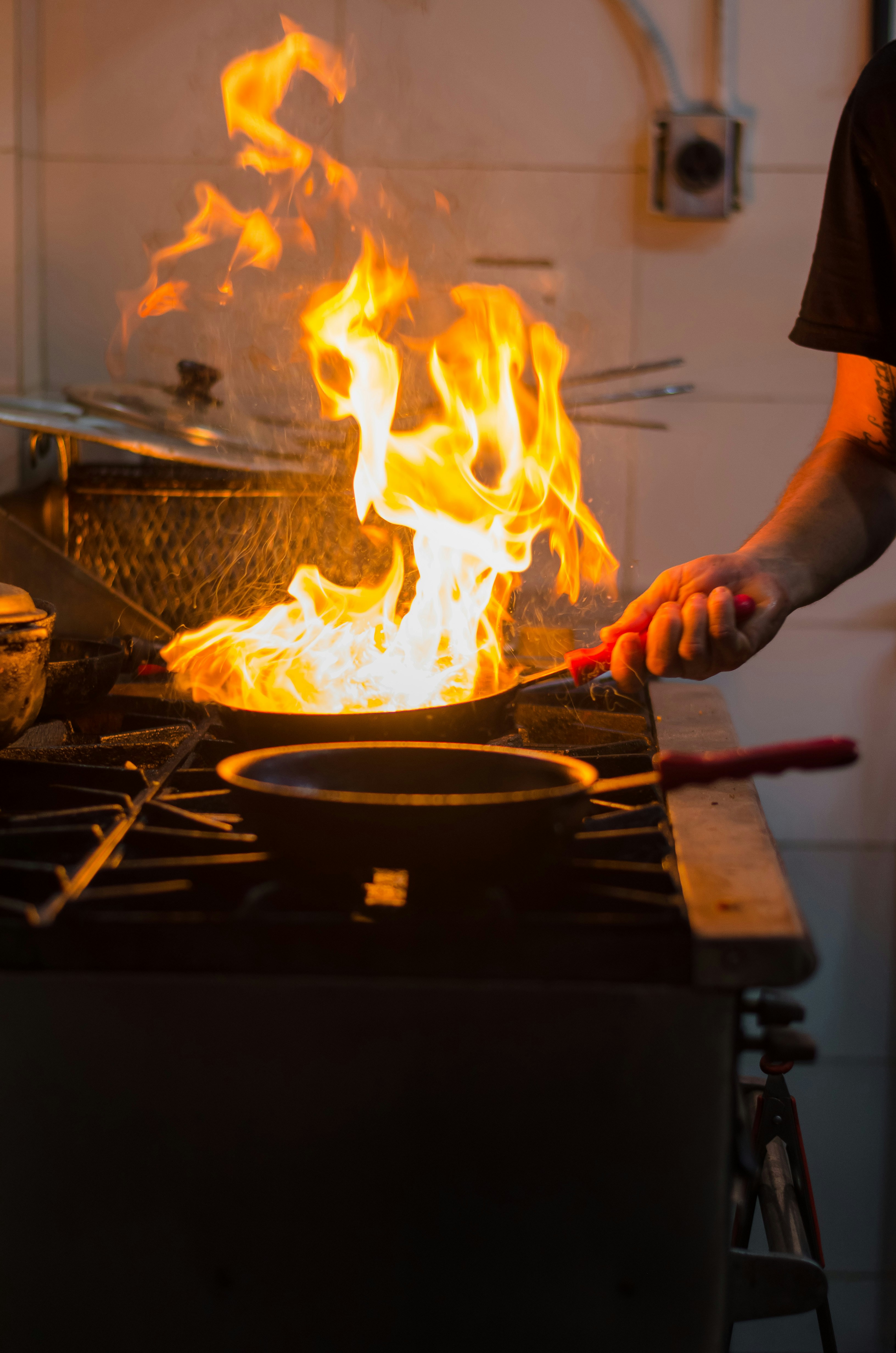
Let me tell you about the time I almost burned down my apartment trying to make what I thought was a simple stir-fry. Spoiler alert: there’s nothing simple about stir-fry when you don’t know what you’re doing, and smoke alarms are apparently very sensitive to my cooking style.
That disaster, along with several others that still make me cringe, taught me more about cooking than any cookbook or YouTube video ever did. According to research from Cornell University’s Food Lab, we learn more from failures than successes—especially in the kitchen.
Table of Contents
- Disaster 1: The Thanksgiving Turkey Incident
- Disaster 2: The Salt vs. Sugar Catastrophe
- Disaster 3: The Bacon Fire
- Disaster 4: The Soufflé Collapse
- Disaster 5: The Curry That Cleared the Room
- What All These Disasters Taught Me
- Common Kitchen Disasters and How to Avoid Them
- Key Takeaways
- Frequently Asked Questions
Disaster 1: The Thanksgiving Turkey Incident
Picture this: I volunteered to cook Thanksgiving dinner for my extended family. First mistake. I’d never cooked a turkey before, but how hard could it be?
What Happened
| Step | What I Did | What I Should Have Done |
|---|---|---|
| Temperature check | Checked surface temp | Checked internal temp |
| Timing | Followed recipe blindly | Used thermometer as guide |
| Testing | Assumed golden = done | Verified 165°F in thickest part |
Four hours later, I proudly pulled out what looked like a perfectly golden bird. Cut into it and… completely raw inside. We ended up ordering pizza for Thanksgiving dinner.
The Lesson
According to the USDA Food Safety Guidelines, poultry must reach 165°F internally to be safe. Temperature matters more than time, and there’s a big difference between how something looks and whether it’s actually done.
| What I Learned | How I Apply It Now |
|---|---|
| Use a meat thermometer | Every single time |
| Don’t trust appearance | Verify with data |
| Have a backup plan | Especially for guests |
Disaster 2: The Salt vs. Sugar Catastrophe
I was making chocolate chip cookies for a work event. Simple recipe, nothing fancy. They looked perfect coming out of the oven—golden brown, perfect shape, smelled amazing.
What Went Wrong
| Ingredient | What I Used | Result |
|---|---|---|
| Sugar (3 cups) | Salt (3 cups) | Chocolate chip salt licks |
| Should have tasted | Didn’t taste-test | Public humiliation |
The worst part? I didn’t taste-test them before bringing them to work. I learned about my mistake when my coworker politely asked if I was trying to kill everyone.
The Lesson
| Prevention Strategy | Why It Works |
|---|---|
| Label containers clearly | No guessing in the moment |
| Taste as you go | Catch problems early |
| Check before serving | Final quality control |
| Store similar items separately | Reduce confusion |
Disaster 3: The Bacon Fire
How do you mess up bacon? By walking away and assuming it’ll cook itself responsibly.
The Sequence of Events
| Time | What Happened |
|---|---|
| 0 min | Put bacon in pan, walked away |
| 5 min | Checked email, smelled smoke |
| 6 min | Actual flames from stove |
| 7 min | Threw water on grease fire (terrible idea) |
| 8 min | Kitchen disaster zone |
The Critical Lesson
According to the National Fire Protection Association, cooking is the leading cause of home fires. Here’s what I learned:
| Grease Fire Rule | Why |
|---|---|
| Never use water | Water makes grease fires explode |
| Cover with lid | Smothers flames |
| Use baking soda | Extinguishes grease safely |
| Turn off heat | Removes energy source |
| Never leave cooking fat unattended | Prevention is best |
Related Reading: Essential Healthy Cooking Techniques
Disaster 4: The Soufflé Collapse
I decided to impress a date with homemade cheese soufflé. I’d watched exactly one YouTube video about it, so obviously I was qualified.
The Timeline
| Phase | What Happened |
|---|---|
| Prep | Everything went right |
| Oven | Rose beautifully |
| Curiosity | Opened oven door to check |
| Result | Instant deflation |
We ended up eating what basically amounted to cheesy scrambled eggs.
The Lesson
| Soufflé Truth | Application |
|---|---|
| Temperature sensitivity is real | Some dishes require faith |
| Don’t open the oven | Trust the process |
| Practice before performing | Never debut for guests |
| Humble backup plans | Have simple alternative ready |
Disaster 5: The Curry That Cleared the Room
I love spicy food, so when I made curry for the first time, I figured more spices meant better flavor.
The Math Problem
| Spice | Recipe Amount | My Amount | Result |
|---|---|---|---|
| Cayenne | 1/2 tsp | 3 tbsp | Edible lava |
| Curry powder | 2 tbsp | 1/4 cup | Overwhelming |
| Total heat | Mild | Weaponized | Kitchen evacuation |
The result was so spicy that opening the pot made people cough. We had to open all the windows.
The Lesson
| Spice Principle | Why It Matters |
|---|---|
| You can always add more | Can’t remove what’s added |
| Start with half | Taste, then adjust |
| Dairy helps | Keep milk or yogurt on hand |
| Heat builds | Will intensify as it cooks |
According to food science research, capsaicin (the heat compound in peppers) intensifies as food cooks and concentrates.
What All These Disasters Taught Me
These failures taught me more than any cooking class could:
| Disaster | Core Lesson |
|---|---|
| Raw turkey | Measure, don’t guess |
| Salty cookies | Label everything, taste always |
| Bacon fire | Never leave cooking unattended |
| Collapsed soufflé | Trust the process |
| Nuclear curry | You can add, not subtract |
The Meta-Lessons
| Insight | Application |
|---|---|
| Mistakes are education | Embrace the learning |
| Humor helps | Laugh at yourself |
| Backup plans save dinners | Always have cereal |
| Confidence comes from failure | Already survived the worst |
Related Reading: How to Meal Prep Like a Pro
Common Kitchen Disasters and How to Avoid Them
Based on my experience and food safety research:
Temperature Disasters
| Problem | Prevention |
|---|---|
| Raw meat | Use meat thermometer |
| Overcooked proteins | Check early, rest after |
| Burnt vegetables | Lower heat, watch closely |
Seasoning Disasters
| Problem | Prevention |
|---|---|
| Over-salted | Salt gradually, taste often |
| Under-seasoned | Season at multiple stages |
| Wrong ingredient | Label containers, read labels |
Timing Disasters
| Problem | Prevention |
|---|---|
| Everything ready at different times | Plan backwards from serving |
| Forgotten on stove | Set timers religiously |
| Underestimated prep time | Add 50% to estimates |
Safety Disasters
| Problem | Prevention |
|---|---|
| Grease fires | Never leave cooking fat unattended |
| Cuts | Sharp knives are safer than dull |
| Burns | Use oven mitts, handle placement |
| Cross-contamination | Separate cutting boards |
Key Takeaways
- Use a meat thermometer — Appearance lies, temperature doesn’t
- Label your ingredients — Especially similar-looking ones
- Never leave cooking unattended — Especially fats and oils
- Start with less seasoning — You can always add more
- Practice before performing — Don’t debut recipes for guests
- Have a backup plan — Cereal is a legitimate dinner
Frequently Asked Questions
How do I recover from a cooking disaster in front of guests?
Laugh it off and pivot quickly. Order delivery, make a simple backup meal, or turn it into a communal cooking experience. According to hospitality research, guests remember your attitude more than the food. The best hosts handle disasters with humor and grace—and keep emergency pizza numbers handy.
What’s the most common cooking mistake beginners make?
According to culinary educators at the Culinary Institute of America, the most common beginner mistake is not reading the entire recipe before starting. This leads to surprise steps, missing ingredients discovered mid-cook, and poor timing. Read completely first, then prep all ingredients before turning on the heat.
How do I know when to salvage versus start over?
If the fundamental structure is compromised (burnt, raw in centers, wrong ingredient), starting over is usually faster and produces better results. If it’s a seasoning issue (too salty, too spicy), you can sometimes dilute, add acid, or balance with other ingredients. When in doubt, cutting losses early saves time and ingredients.
Is it normal to still make mistakes after years of cooking?
Absolutely! Even professional chefs make mistakes—they’re just better at recovery. The difference between beginners and experienced cooks isn’t perfection; it’s having more techniques to fix problems and the confidence to improvise when things go wrong. Every cook has disaster stories.
What should I always have on hand for cooking emergencies?
Keep these kitchen emergency supplies: baking soda (for grease fires and over-acidic dishes), cream or coconut milk (to cut spice), acid like lemon juice (to balance flavors), and sugar (to balance salt in small amounts). Also: cereal, eggs, and bread for true emergencies when dinner fails completely.
The best cooks aren’t the ones who never make mistakes—they’re the ones who’ve made all the mistakes already and learned from them. Every disaster is just education in disguise, even if it doesn’t feel that way when you’re scrubbing burnt pasta off your stove at midnight.