Why Summer is Actually the Best Time to Eat Better (And Save Money Doing It)
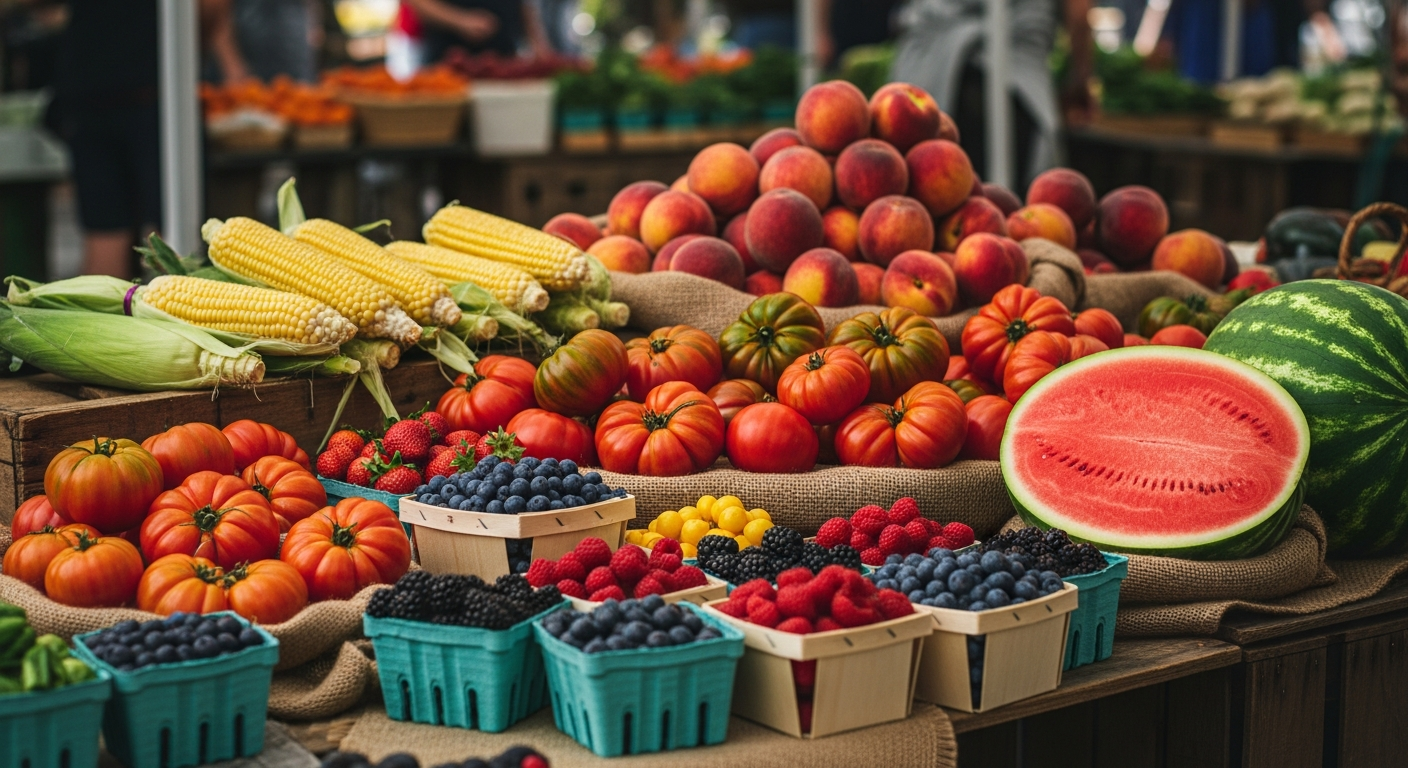
Summer is the only time of year when eating healthy is actually easier and cheaper than eating garbage. Tomatoes that actually taste like something. Corn so fresh it’s sweet. Berries that don’t cost $8 for a tiny container that’s half moldy.
According to the USDA Economic Research Service, seasonal produce can cost 30-50% less than out-of-season equivalents, with significantly better flavor and nutritional content.
Table of Contents
- The Summer Advantage
- What to Actually Buy
- Farmers Market vs. Grocery Store
- Simple Summer Cooking
- Preserving Summer for Winter
- The Budget Reality
- Key Takeaways
- Frequently Asked Questions
The Summer Advantage
Why Summer Produce is Different
| Factor | Summer Local | Winter Shipped |
|---|---|---|
| Price | Lower (abundant supply) | Higher (transport costs) |
| Flavor | Picked ripe | Picked green to survive shipping |
| Nutrition | Higher (fresh) | Degrades during transport |
| Shelf life | Longer (fresher start) | Shorter (already older) |
According to the Journal of Agricultural and Food Chemistry, produce loses up to 30% of nutrients within 3 days of harvest—local seasonal produce gets to you faster.
Related Reading: Budget Eating Strategies That Actually Work
What to Actually Buy
Peak Summer Produce Worth Prioritizing
| Item | Why Summer Matters | Off-Season Reality |
|---|---|---|
| Tomatoes | Sweet, complex flavor | Mealy, flavorless |
| Corn | Sugary, crisp | Starchy, bland |
| Berries | Ripe, affordable | Expensive, often moldy |
| Stone fruits | Juicy, fragrant | Hard, flavorless |
| Cucumbers | Crisp, refreshing | Less flavorful |
| Zucchini | Abundant, often free | More expensive, less fresh |
| Fresh herbs | Cheap, flavorful | Expensive, wilted quickly |
Skip In Summer
| Item | Reason |
|---|---|
| Asparagus | Spring vegetable, expensive now |
| Citrus | Winter peak, summer is off-season |
| Root vegetables | Fall/winter storage crops |
| Imported produce | Paying premium when local is abundant |
Farmers Market vs. Grocery Store
Honest Comparison
| Factor | Farmers Market | Grocery Store |
|---|---|---|
| Produce quality | Often superior | Variable |
| Price | Sometimes lower, sometimes higher | Consistent |
| Convenience | Limited hours | Always available |
| Variety | Unique local varieties | Standard commercial |
| Selection | Seasonal only | Everything year-round |
Strategic Approach
| Buy at Farmers Market | Buy at Grocery Store |
|---|---|
| Tomatoes (huge quality difference) | Pantry staples |
| Corn (freshness matters most) | Meat and dairy |
| Berries (ripeness matters) | Everyday vegetables |
| Specialty items | Items not locally available |
According to the Farmers Market Coalition, farmers markets often offer fresher produce at comparable or lower prices for peak-season items.
Simple Summer Cooking
The Less-Cooking Philosophy
Good summer ingredients need less effort:
| Meal | Method | Time |
|---|---|---|
| Tomato sandwich | Bread, tomato, mayo, salt | 3 min |
| Grilled corn | Grill, butter, salt | 10 min |
| Caprese salad | Tomato, mozzarella, basil, balsamic | 5 min |
| Fresh salsa | Chop tomatoes, onion, cilantro, lime | 10 min |
| Cucumber salad | Slice, vinegar, sugar, salt, dill | 5 min |
Quick Summer Meal Ideas
| Meal Type | Summer Approach |
|---|---|
| Breakfast | Berries + yogurt + granola |
| Lunch | Tomato sandwich, cucumber salad |
| Dinner | Grilled protein + grilled vegetables |
| Snacks | Fresh fruit, cut vegetables |
Related Reading: Quick Weeknight Dinners Guide
Preserving Summer for Winter
Preservation Methods by Difficulty
| Method | Difficulty | Best For |
|---|---|---|
| Freezing | Easy | Berries, corn, pesto |
| Drying | Easy | Herbs, tomatoes |
| Canning | Intermediate | Tomato sauce, pickles |
| Jam making | Intermediate | Berries, stone fruits |
Quick Preservation Wins
| Item | Method | Winter Use |
|---|---|---|
| Berries | Freeze flat on tray, then bag | Smoothies, baking |
| Basil | Blend with oil, freeze in cubes | Pesto, cooking |
| Corn | Cut from cob, freeze in bags | Any corn dish |
| Tomato sauce | Big batch, freeze portions | Pasta, soup base |
According to the National Center for Home Food Preservation, frozen produce retains nutrients comparable to fresh when frozen at peak ripeness.
The Budget Reality
Summer Savings Breakdown
| Item | Summer Price | Winter Price | Savings |
|---|---|---|---|
| Tomatoes (local) | $2-3/lb | $4-6/lb | 40-60% |
| Corn | $0.25-0.50/ear | $0.75-1.00/ear | 50-75% |
| Berries | $2-4/pint | $5-8/pint | 50%+ |
| Zucchini | $1-2/lb | $2-4/lb | 50% |
Strategic Summer Spending
| Strategy | Implementation |
|---|---|
| Buy at peak abundance | Prices lowest mid-season |
| Skip organic for thick-skinned | Corn, avocado, squash |
| Buy ugly produce | Same quality, lower price |
| Preserve when cheap | Stock up for winter months |
Key Takeaways
- Summer = easier healthy eating — Quality is higher, prices lower
- Prioritize the difference-makers — Tomatoes, corn, berries, stone fruits
- Simple preparation — Good ingredients need less work
- Preserve strategically — Freeze berries and corn for winter
- Farmers markets make sense now — Seasonal quality advantage
- Buy at peak, not early or late — Mid-season = lowest prices
Frequently Asked Questions
Is farmers market produce actually better than grocery store?
For peak-season items like tomatoes and corn, often significantly yes. According to the USDA, produce at farmers markets is typically harvested within 24-48 hours of sale, versus grocery store produce which may be 1-2 weeks from harvest. The flavor difference in summer tomatoes is dramatic.
How do I know what’s actually in season locally?
Check your state’s agricultural extension website for seasonal produce calendars—most states publish these. Your local farmers market is also a guide: if it’s abundant at the market, it’s in season. The USDA SNAP-Ed Connection offers seasonal food guides by region.
Is seasonal eating really cheaper?
Yes, according to the Bureau of Labor Statistics, seasonal produce averages 30-50% less than out-of-season equivalents. But the biggest savings come from eating what’s abundant (corn in August) rather than what you want regardless of season (asparagus in August).
How do I preserve produce if I’ve never done it before?
Start with freezing—it’s foolproof. Spread berries on a sheet pan, freeze solid, transfer to bags. For corn, blanch briefly in boiling water, cut from cob, freeze flat. The National Center for Home Food Preservation has detailed, tested instructions for every method.
What if I don’t have access to a farmers market?
Grocery store seasonal produce is still better and cheaper than out-of-season. Look for locally sourced signage, buy the abundant items (currently overflowing = in season), and check CSA programs in your area—many deliver. The LocalHarvest website helps find local food sources.
Summer eating isn’t about becoming a farmers market regular or growing your own food. It’s about recognizing that for a few months, good food is cheap and abundant. Take advantage. Your taste buds, your wallet, and your January self will thank you.