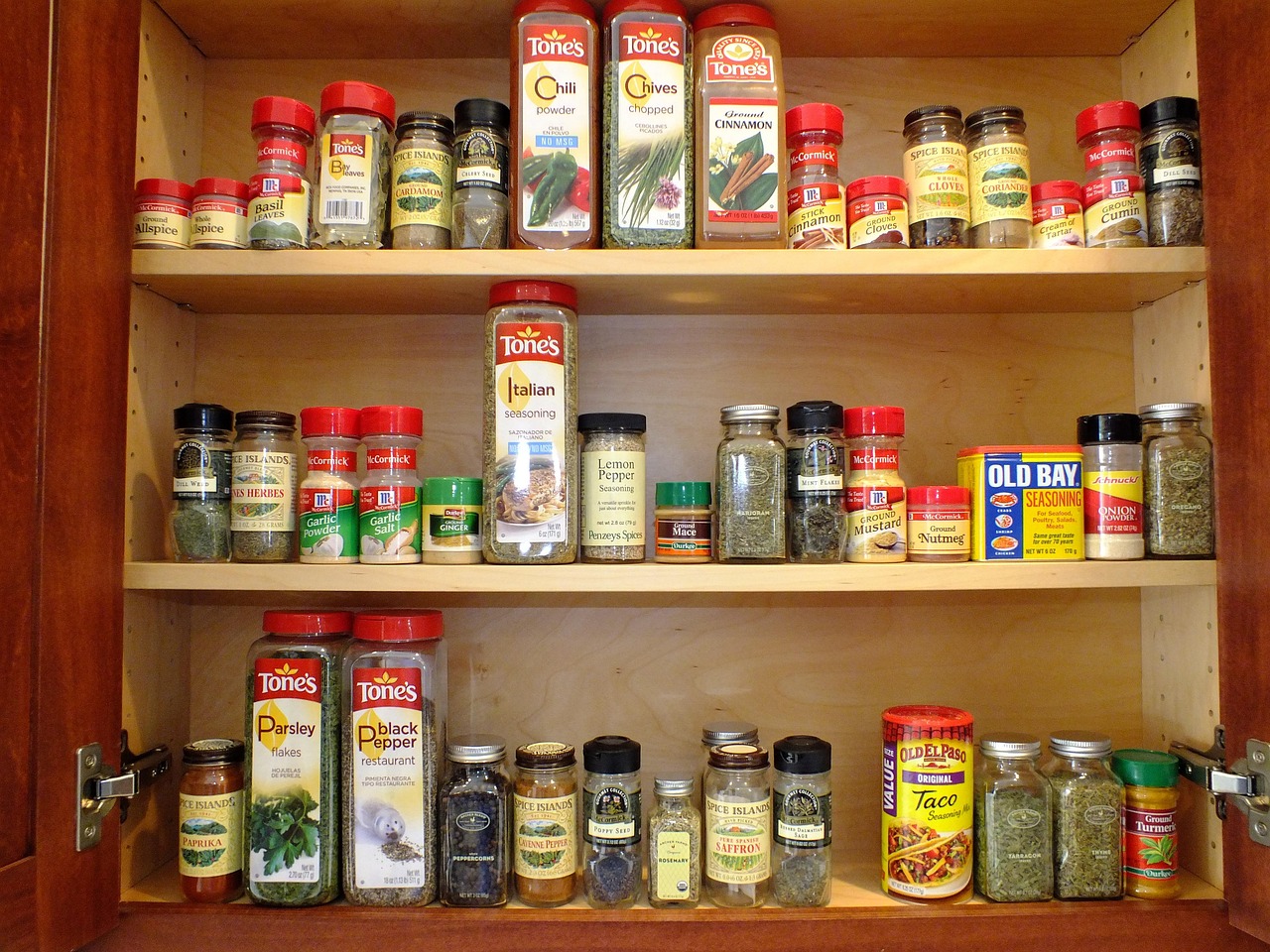
The Spice Guide: Stop Buying the Wrong Ones (And Start Using the Right Ones)
My spice cabinet used to be a graveyard of good intentions. Bottles I bought for one recipe and never touched again. Spices so old they’d lost all flavor. Duplicates because I couldn’t find what I already had.
According to the McCormick Science Institute, spices lose significant potency after 6-12 months for ground spices and 2-3 years for whole spices. Most home cooks have spices far older than that.
Table of Contents
- The Essential Spice Lineup
- Spices You’re Probably Wasting Money On
- How to Actually Use Spices
- Storage That Preserves Flavor
- Building Spice Blends
- When to Replace Your Spices
- Key Takeaways
- Frequently Asked Questions
The Essential Spice Lineup
Tier 1: Daily Essentials
| Spice | Primary Uses | Why It’s Essential |
|---|---|---|
| Kosher salt | Everything | Foundation of flavor |
| Black pepper | Everything | Universal seasoning |
| Garlic powder | Quick flavor | When fresh isn’t practical |
| Onion powder | Background flavor | Depth in everything |
| Cumin | Mexican, Indian, Middle Eastern | Earthy warmth |
| Paprika | Color and mild flavor | Versatile enhancement |
Tier 2: Frequent Use
| Spice | Primary Uses | When You Need It |
|---|---|---|
| Oregano | Italian, Greek, Mexican | Tomato-based dishes |
| Thyme | French, soups, roasts | Herb backbone |
| Chili powder | Tex-Mex, chilies | Heat with complexity |
| Cayenne | Heat | When you want pure spice |
| Cinnamon | Baking, some savory | Sweet and savory warmth |
| Red pepper flakes | Italian, Asian | Quick heat addition |
Tier 3: Cuisine-Specific
| Spice | Cuisine Focus | Worth Buying If… |
|---|---|---|
| Turmeric | Indian, Southeast Asian | You cook these cuisines regularly |
| Ginger (ground) | Asian, baking | Supplement to fresh ginger |
| Coriander | Indian, Mexican | You cook from scratch |
| Smoked paprika | Spanish, grilling | You love smoky flavor |
| Nutmeg | Baking, cream sauces | You make bechamel or baked goods |
Related Reading: Healthy Cooking Techniques Guide
Spices You’re Probably Wasting Money On
Common Wasted Purchases
| Spice | Why People Buy It | Why It Goes Unused |
|---|---|---|
| Saffron | “It’s special” | Too expensive for casual use |
| Cardamom | One recipe | Rarely called for |
| Fenugreek | Indian cooking curiosity | Very specific applications |
| Star anise | Pho recipe | Rarely needed |
| Juniper berries | Looked interesting | Almost never used |
| Celery seed | Seemed useful | Pickles and that’s about it |
The One-Recipe Problem
If you buy a spice for one specific recipe and can’t think of 3+ other uses for it, you probably don’t need it in your permanent collection. According to The Spice House, specialty spices should be bought in small quantities or skipped entirely.
How to Actually Use Spices
The Flavor Timing Rule
| When to Add | Which Spices | Why |
|---|---|---|
| Early (with aromatics) | Cumin, coriander, turmeric | Bloom in fat, develop flavor |
| Middle (during cooking) | Oregano, thyme, paprika | Time to meld with dish |
| End (finishing) | Delicate herbs, citrus | Preserve brightness |
Blooming Spices
This technique transforms spice flavor:
| Step | Action | Result |
|---|---|---|
| 1 | Heat oil or fat | Prepare the medium |
| 2 | Add whole or ground spices | Before other ingredients |
| 3 | Stir 30-60 seconds | Until fragrant |
| 4 | Add remaining ingredients | Spice flavor distributed |
Research from the CIA confirms that blooming spices in fat releases flavor compounds unavailable when adding spices dry.
Storage That Preserves Flavor
The Enemies of Spice Freshness
| Enemy | Effect | Solution |
|---|---|---|
| Light | Degrades oils | Store in dark place or opaque containers |
| Heat | Accelerates loss | Away from stove, not above oven |
| Moisture | Causes clumping | Never shake over steaming pot |
| Air | Oxidizes compounds | Tight-sealing containers |
Optimal Storage Setup
| Storage Type | Best For | Avoid |
|---|---|---|
| Drawer organization | Easy access, dark | Countertop displays near stove |
| Cabinet with door | Protected from light | Wall-mounted near cooking heat |
| Opaque containers | Maximum protection | Clear jars in sunlight |
Related Reading: Kitchen Tools Worth Buying vs. Waste of Money
Building Spice Blends
Common Blend Formulas
| Blend | Components | Use For |
|---|---|---|
| Taco Seasoning | Cumin, chili, paprika, oregano, garlic | Mexican cooking |
| Italian Blend | Oregano, basil, thyme, rosemary | Pasta, pizza, Italian dishes |
| Curry Powder | Cumin, coriander, turmeric, ginger, cayenne | Indian-style dishes |
| BBQ Rub | Paprika, brown sugar, cumin, chili, garlic | Grilled meats |
Why Make Your Own
| Factor | Store-Bought | Homemade |
|---|---|---|
| Freshness | Often old | Made when needed |
| Customization | Fixed ratios | Adjust to taste |
| Cost per use | Higher | Lower |
| Sodium content | Often high | You control |
When to Replace Your Spices
Freshness Test Methods
| Test | How to Do It | What It Tells You |
|---|---|---|
| Smell test | Crush between fingers, sniff | No aroma = no flavor |
| Taste test | Tiny amount on tongue | Should taste like itself |
| Color check | Compare to new | Faded = degraded |
General Replacement Guidelines
| Spice Type | Replace After |
|---|---|
| Ground spices | 6-12 months |
| Whole spices | 2-3 years |
| Dried herbs | 1-2 years |
| Seasoning blends | 1-2 years |
According to Spiceology, buying smaller quantities more frequently beats buying bulk that goes stale.
Key Takeaways
- Tier your spice collection — Essentials vs. cuisine-specific vs. specialty
- Buy small, replace often — Fresh spices matter more than big collections
- Store properly — Dark, cool, airtight
- Bloom for maximum flavor — Toast spices in fat before adding other ingredients
- Skip one-recipe spices — Unless you’ll use it 3+ ways, don’t buy
- Make your own blends — Fresher, cheaper, customizable
Frequently Asked Questions
Where should I buy spices for best quality and value?
Specialty spice shops (online or local), ethnic grocery stores, and bulk sections of natural food stores typically offer better quality and value than supermarket spice aisles. Penzeys, The Spice House, and Burlap & Barrel are reputable online sources. Ethnic grocers often have fresher products with higher turnover at lower prices.
How can I tell if my spices are still good?
The smell test is most reliable. Crush a small amount between your fingers and smell—it should be distinctly aromatic. If you can barely smell anything, the spice has lost its potency. Ground spices should taste like concentrated versions of themselves. If they taste like nothing, replace them.
Is it worth buying whole spices vs. pre-ground?
For spices you use frequently (cumin, coriander, black pepper), yes—whole spices stay fresher much longer and release more aroma when freshly ground. For spices used rarely, pre-ground is fine since you’ll use them before the freshness difference matters. A basic spice grinder costs $15-20 and lasts years.
How do I organize spices so I actually use them?
Visibility is key. According to professional organizer research, spices you can see get used; hidden ones don’t. Options: drawer organizers with labels visible from above, door-mounted racks, or tiered shelf inserts. Group by cuisine type or frequency of use. Label tops of jars for drawer storage.
What’s the most common spice mistake home cooks make?
Under-seasoning at the beginning and not tasting as you go. According to the Culinary Institute of America, seasoning should be layered throughout cooking, not just added at the end. Taste after each addition and adjust. The second most common mistake is using old, flavorless spices—which amounts to adding nothing.
A well-curated spice collection isn’t about having everything—it’s about having the right things, stored properly, and used before they lose their power. Ten excellent spices beat fifty dusty ones every time.