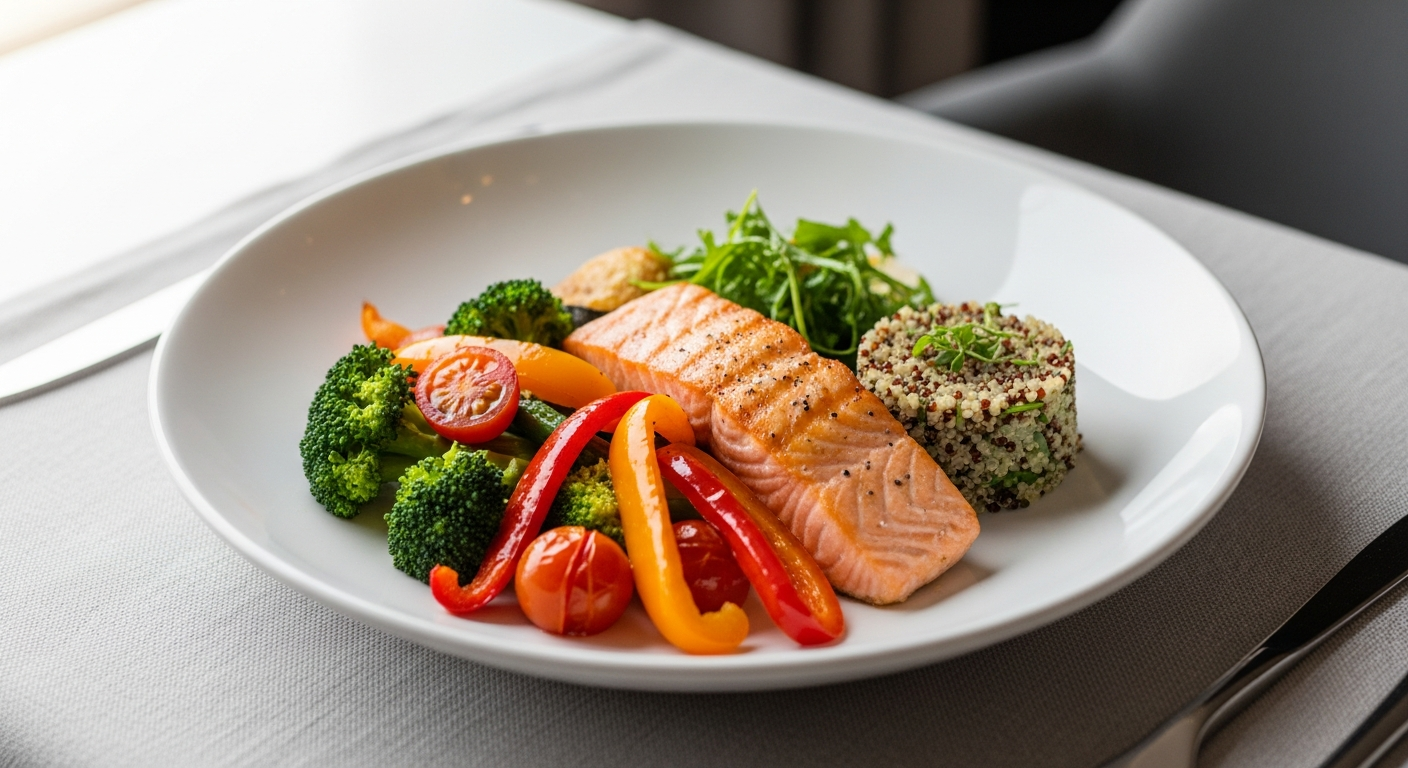
Cooking for One Without Making Enough Food for a Small Army
Every recipe I find online serves 4-6 people. I live alone. Do the math—I’m either eating the same meal all week or throwing away half of what I make. Neither option is great, and honestly, both are kind of depressing.
According to the USDA Economic Research Service, single-person households waste about 39% more food per capita than multi-person households. But it doesn’t have to be that way.
Table of Contents
- The Mindset Shift: You’re Worth Real Food
- The Scaling Problem: Math is Hard When You’re Hungry
- The Shopping Strategy: Buy Less, Shop More
- The Tools That Actually Help
- Meals That Actually Work for One
- The Component Cooking Method
- Quick One-Person Meals
- Key Takeaways
- Frequently Asked Questions
The Mindset Shift: You’re Worth Real Food
First, get over the idea that cooking for one isn’t worth it. I used to think cooking a “real” meal was only worth the effort if I was feeding other people.
| Old Mindset | New Mindset |
|---|---|
| “It’s just me” | “I deserve real food” |
| “Not worth the effort” | “Self-care includes eating well” |
| “I’ll just grab something” | “I’m worth cooking for” |
According to the Academy of Nutrition and Dietetics, people who cook for themselves regularly have better nutritional outcomes regardless of household size.
Related Reading: Budget Eating Strategies That Actually Work
The Scaling Problem: Math is Hard When You’re Hungry
Most recipes serve 4-6 people, and halving or quartering them gets weird fast.
| Original Amount | Halved | Quartered |
|---|---|---|
| 1⅓ cups | ⅔ cup | ⅓ cup |
| 3 eggs | 1.5 eggs (?) | 0.75 eggs (??) |
| 1 can beans | Half a can | Quarter can |
Better Solutions
| Approach | When It Works | Benefits |
|---|---|---|
| Make full recipe, freeze portions | Soups, stews, sauces | Future meals ready |
| Transform leftovers into new meals | Flexible ingredients | No boring repeats |
| Cook from technique, not recipe | Once you know basics | Perfect portions every time |
The Shopping Strategy: Buy Less, Shop More
| Conventional Wisdom | Solo Reality |
|---|---|
| Buy in bulk to save | Half spoils before use |
| Weekly shopping trips | More frequent, smaller shops |
| Family-pack proteins | Single portions or freeze immediately |
What to Buy for One
| Item | Solo-Friendly Option |
|---|---|
| Chicken | Individual breasts, not family pack |
| Vegetables | Smaller quantities, frozen backup |
| Eggs | Half-dozen, not full dozen |
| Dairy | Smaller containers |
According to the Natural Resources Defense Council, smaller packages cost more per unit but often save money overall through reduced waste.
The Tools That Actually Help
Essential Small-Kitchen Equipment
| Tool | Why It Helps |
|---|---|
| 8-inch skillet | Perfect for one-portion cooking |
| 2-quart pot | Right size for single servings |
| Small cutting board | Less cleanup, easier storage |
| Kitchen scale | Precise portioning for scaling |
| Single-serve containers | Proper leftover storage |
Skip These
| Tool | Why Not Needed |
|---|---|
| 12-inch skillet | Too big for solo portions |
| Large stockpot | Makes too much of everything |
| Giant mixing bowls | Overkill for one person |
Related Reading: Kitchen Tools Worth Buying vs. Waste of Money
Meals That Actually Work for One
Great for Solo Cooking
| Meal Type | Why It Works |
|---|---|
| Stir-fries | Scales easily, uses what you have |
| Pasta | Easy to make one portion |
| Eggs any style | Natural single-serving |
| Grain bowls | Assemble from components |
| Simple proteins + vegetables | Naturally portioned |
| Soup (plan to freeze) | Freezes perfectly |
Avoid for Solo Cooking
| Meal Type | Why It’s Problematic |
|---|---|
| Complex multi-ingredient dishes | Requires buying too many items |
| Most baking | Yields too much, doesn’t freeze well |
| Specialty-ingredient recipes | Leftover ingredients go to waste |
| Three-hour projects | Not worth it for one serving |
The Component Cooking Method
Instead of cooking complete meals, cook components that mix and match throughout the week:
Weekly Component Prep
| Component | Cook Once | Becomes… |
|---|---|---|
| Grilled chicken | Sunday | Bowl, sandwich, salad, pasta |
| Cooked rice | Sunday | Fried rice, bowl base, burrito |
| Roasted vegetables | Sunday | Side, pizza topping, egg scramble |
| Simple sauce | Sunday | Pasta sauce, grain bowl dressing |
Example Week from One Prep Session
| Day | Meal |
|---|---|
| Monday | Rice bowl with chicken and teriyaki sauce |
| Tuesday | Pasta with vegetables and pesto |
| Wednesday | Chicken salad with vinaigrette |
| Thursday | Fried rice with leftover vegetables |
Same components, different meals. No boring repetition.
Quick One-Person Meals
Under 15 Minutes
| Meal | Method | Time |
|---|---|---|
| 10-Minute Pasta | Boil pasta, toss with butter, garlic, frozen peas, parmesan | 10 min |
| Lazy Fried Rice | Day-old rice, egg, frozen veggies, soy sauce | 7 min |
| Egg Scramble | Eggs, cheese, whatever vegetables need using | 8 min |
| Grain Bowl | Cooked quinoa, canned beans, salsa, avocado | 5 min |
| Adult Lunchable | Cheese, crackers, vegetables, hummus | 3 min |
Worth 25-30 Minutes
| Meal | Method | Time |
|---|---|---|
| Sheet Pan Dinner | Chicken + vegetables, roast together | 25 min |
| Simple Stir-Fry | Protein, vegetables, sauce, rice | 20 min |
| Pan-Seared Fish | Fish fillet with quick vegetable side | 15 min |
Key Takeaways
- You’re worth cooking for — Solo doesn’t mean settling for less
- Components beat complete meals — Prep building blocks, assemble daily
- Smaller equipment helps — 8-inch skillet, 2-quart pot
- Shop smaller, more often — Less waste than bulk buying
- Embrace the freezer — Bank portions for future busy nights
- Transform, don’t repeat — Same ingredients, different flavors
Frequently Asked Questions
How much can I actually save cooking for myself vs. takeout?
According to the Bureau of Labor Statistics, cooking at home averages $3-6 per meal versus $12-20 for dining out or delivery. For someone eating 15 dinners per month at home instead of ordering out, that’s $135-$285 in monthly savings. The math works even for single portions when you factor in reduced food waste.
How do I avoid eating the same thing all week?
Use the component method: cook neutral ingredients (grilled chicken, rice, roasted vegetables) and change the seasonings and sauces daily. Monday’s chicken with teriyaki tastes nothing like Wednesday’s chicken with pesto. The Academy of Nutrition and Dietetics recommends this approach for maintaining dietary variety.
Should I meal prep on weekends even when cooking for one?
Partial prep works better than complete meal prep for solo cooking. Prep components (chopped vegetables, cooked grains, marinated protein) rather than finished meals. This gives you flexibility to decide what you want each night while still saving time. Complete identical meals get boring quickly.
What’s the best way to freeze single portions?
According to the USDA, freeze in portion sizes you’ll actually use—usually single servings. Glass containers or silicone bags work well. Label with contents and date. Most cooked foods freeze for 2-3 months. Let food cool before freezing to prevent ice crystals, which affect texture.
Is it more expensive to buy smaller quantities?
Per unit, yes—smaller packages typically cost more per ounce. But total spending is often lower because you waste less. Research from Consumer Reports found that single-person households who buy smaller quantities often spend 15-20% less on food monthly than those buying bulk and throwing half away.
Cooking for one is a skill, and like any skill, it gets easier with practice. Start small. Make simple things. Don’t worry about getting it perfect. You’re worth the effort of real food, even if the only person eating it is you.